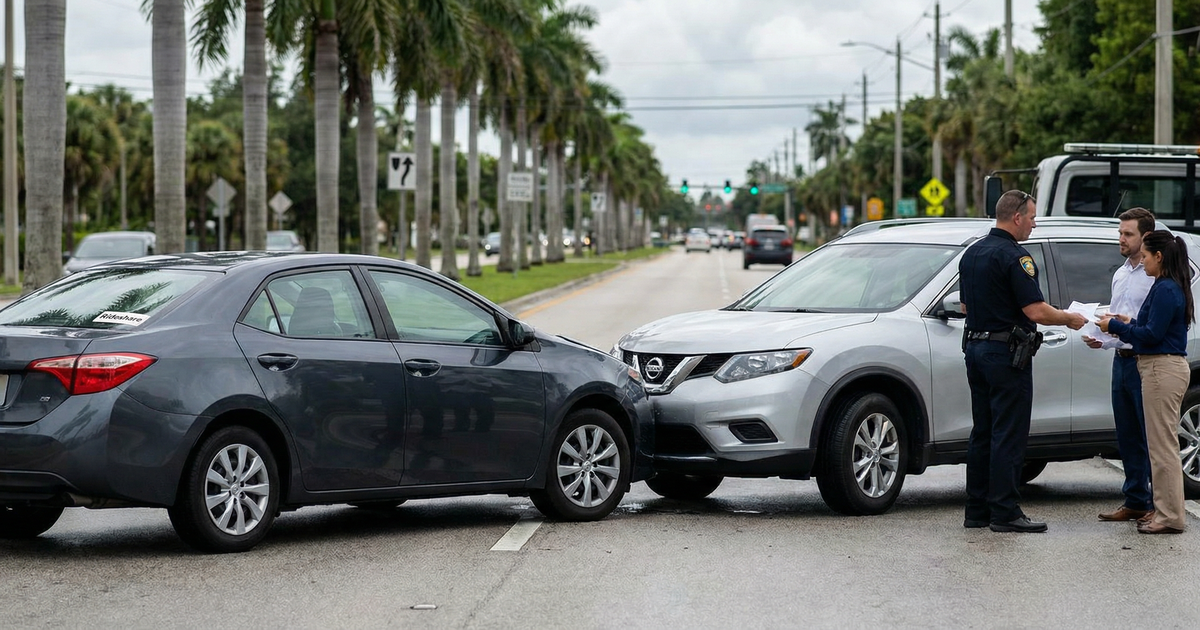
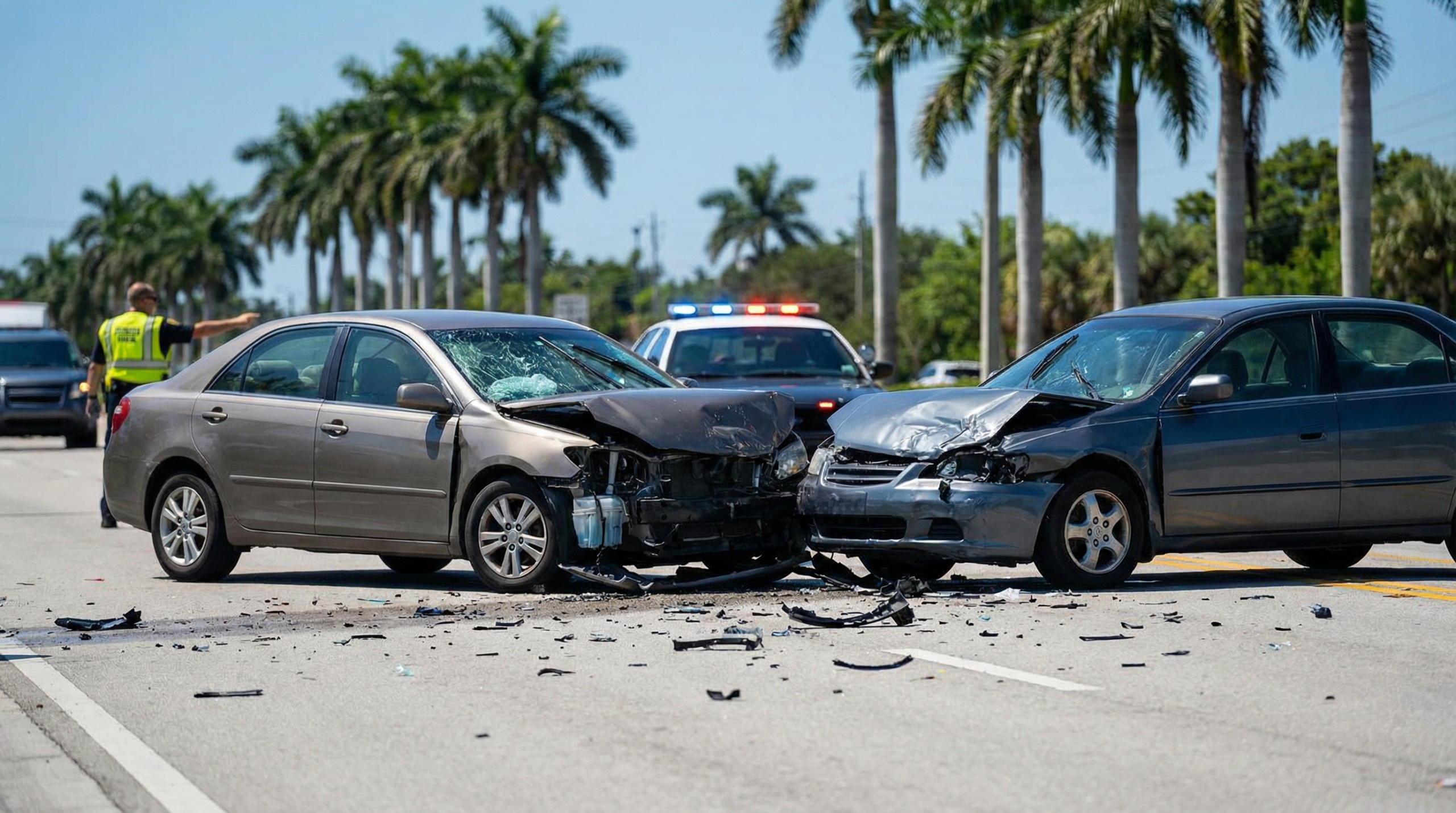
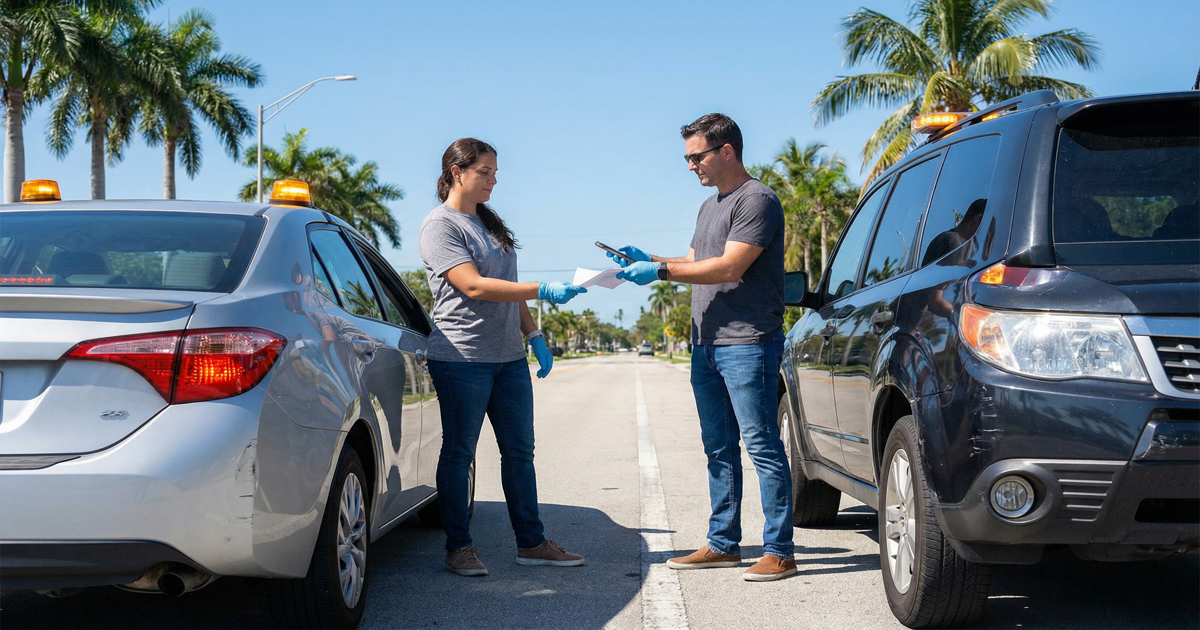
What Types of Compensation Can You Recover in a Florida Personal Injury Lawsuit?

In a Florida personal injury lawsuit, you may recover various types of compensation, broadly categorized as economic, non-economic, and in some cases, punitive damages. Economic damages cover tangible financial losses like medical bills, lost wages, and property damage. Non-economic damages address intangible losses such as pain and suffering, emotional distress, and loss of enjoyment of life. Punitive damages are rarely awarded and aim to punish egregious conduct, rather than compensate the victim.

What are Economic Damages in a Personal Injury Claim?

Economic damages, also known as special damages, are quantifiable financial losses directly resulting from a personal injury. These damages aim to restore the injured party to their financial position before the incident occurred. They are typically straightforward to calculate because they are supported by bills, receipts, and other financial documentation.


Economic damages often include medical expenses, lost wages, property damage, and various out-of-pocket costs. Medical expenses can encompass past and future treatments, rehabilitation, and medication. Lost wages cover income missed due to injury and potential future earning capacity reductions. Property damage addresses repair or replacement costs for damaged belongings. Out-of-pocket expenses might include transportation to appointments or necessary home modifications. The exact types and amounts recoverable depend on the specific circumstances of each case.

What are Non-Economic Damages in a Personal Injury Claim?

Non-economic damages address the intangible losses experienced by a personal injury victim, which are not easily quantifiable with a specific monetary value. These damages compensate for the emotional and psychological impact of an injury, aiming to provide restitution for suffering that extends beyond financial costs. While challenging to assign a precise dollar amount, these losses are recognized under Florida law.


These damages often include compensation for pain and suffering, emotional distress, loss of enjoyment of life, and loss of consortium. Pain and suffering covers physical discomfort and chronic pain. Emotional distress accounts for conditions like anxiety, depression, or PTSD resulting from the incident. Loss of enjoyment of life applies when injuries prevent participation in previously enjoyed activities. Loss of consortium compensates spouses or family members for the loss of companionship and support. The severity and permanence of the injury typically influence the value assigned to these non-economic losses.


Navigating the complexities of personal injury claims requires a thorough understanding of Florida law and how different types of damages are assessed. If you or a loved one has been injured due to someone else’s negligence, understanding your rights and potential compensation is the first step toward justice. Consider seeking legal counsel to evaluate your case and ensure all recoverable damages are pursued effectively.

When are Punitive Damages Awarded in Florida Personal Injury Cases?

Punitive damages are awarded in Florida personal injury cases not to compensate the victim, but to punish the at-fault party for exceptionally reckless, intentional, or grossly negligent conduct. These damages serve as a deterrent to prevent similar misconduct from occurring in the future. They are distinct from economic and non-economic damages, which focus on making the victim whole.


Courts typically award punitive damages in situations where the defendant’s actions demonstrate a willful disregard for the safety of others. Examples often include cases involving drunk driving accidents, intentional harm such as assault, or severe medical malpractice stemming from extreme negligence. Florida law places limitations on the amount of punitive damages that can be awarded, generally capping them at three times the amount of compensatory damages or $500,000, whichever is greater. However, exceptions may apply in cases of intentional misconduct.

How Does Florida’s Comparative Negligence Rule Affect Your Compensation?

Florida follows a pure comparative negligence rule, which means that a personal injury victim’s recoverable compensation can be reduced by their percentage of fault in causing the accident. This rule allows individuals to seek damages even if they are partially responsible for their injuries. However, the total award will be proportionally diminished based on their assigned degree of fault.


For instance, if a court determines that a plaintiff is 20% at fault for an accident and their total damages are assessed at $100,000, their final compensation would be reduced to $80,000. This system ensures that each party bears responsibility for their contribution to the incident. It underscores the importance of strong legal representation to effectively argue fault and minimize any potential reduction in compensation, thereby maximizing the recovery for the injured party.

Are There Caps on Damages in Florida Personal Injury Lawsuits?

Generally, Florida law does not impose caps on economic or non-economic damages in most personal injury cases. This means that for many types of injuries, there is no statutory limit on the amount of compensation a victim can receive for their financial losses or their pain and suffering. However, there are specific exceptions where damage caps may apply, primarily in certain medical malpractice claims.


For instance, in medical malpractice cases, non-economic damages are typically capped at $500,000 per claimant, though this limit can increase to $1 million if the injury results in death or a permanent vegetative state. While Florida’s Supreme Court has previously struck down some caps as unconstitutional, particularly in wrongful death malpractice cases, limits can still exist for non-fatal injuries. Punitive damages also have statutory caps, generally limited to three times the compensatory damages or $500,000, whichever is greater, with exceptions for intentional misconduct.

Key Takeaways

  • Economic Damages: Cover tangible financial losses like medical bills, lost wages, and property damage.
  • Non-Economic Damages: Address intangible losses such as pain and suffering, emotional distress, and loss of enjoyment of life.
  • Punitive Damages: Awarded to punish egregious conduct and deter future similar actions, not primarily for victim compensation.
  • Comparative Negligence: Florida’s rule reduces compensation based on the victim’s percentage of fault.
  • Damage Caps: Generally, no caps on economic or non-economic damages in most personal injury cases, but exceptions exist for medical malpractice and punitive damages.

Frequently Asked Questions

What is the difference between economic and non-economic damages?

Economic damages are quantifiable financial losses directly caused by an injury, such as medical bills, lost wages, and property damage. Non-economic damages, conversely, address intangible losses like pain and suffering, emotional distress, and loss of enjoyment of life. The key distinction lies in their tangibility: economic damages have clear monetary values, while non-economic damages compensate for subjective experiences.


Economic damages are often easier to calculate as they are supported by invoices, pay stubs, and repair estimates. Non-economic damages, being subjective, are typically determined by a jury or through negotiation, often using methods like a multiplier of economic damages. Both types of damages are crucial for comprehensive compensation in a personal injury claim, aiming to cover all aspects of a victim’s losses.

How is pain and suffering calculated in Florida personal injury cases?

Pain and suffering, a component of non-economic damages, is typically calculated in Florida personal injury cases using methods that consider the severity and duration of the injury. There isn’t a fixed formula, but common approaches include the multiplier method or the per diem method. The multiplier method involves multiplying the total economic damages by a factor, often between 1.5 and 5, based on the injury’s impact.


The per diem method assigns a daily value for pain and suffering from the injury date until maximum medical improvement. Factors influencing this calculation include the intensity of physical pain, emotional distress, impact on daily life, and medical evidence. Ultimately, the final amount is often determined through negotiation with insurance companies or by a jury, reflecting the subjective nature of these losses.

Can I still recover compensation if I was partially at fault for an accident in Florida?

Yes, you can typically still recover compensation in Florida even if you were partially at fault for an accident, due to the state’s pure comparative negligence rule. This legal principle allows an injured party to seek damages, but the amount awarded will be reduced in proportion to their degree of fault. For example, if you are found 30% responsible, your compensation will be reduced by 30%.


This system ensures that fault is apportioned fairly among all parties involved. It is crucial to have skilled legal representation to argue your case effectively and minimize your assigned percentage of fault. A lower percentage of fault directly translates to a higher potential compensation amount, making expert legal guidance invaluable in these situations.

What is the purpose of punitive damages?

Punitive damages serve primarily to punish a defendant for egregious conduct and to deter similar actions by others in the future. Unlike economic and non-economic damages, which aim to compensate the victim for their losses, punitive damages are not intended to make the injured party whole. They are reserved for cases where the at-fault party’s actions demonstrate gross negligence, recklessness, or intentional misconduct.


In Florida, punitive damages are typically awarded when a defendant’s behavior is particularly reprehensible, such as in cases of drunk driving or intentional assault. The goal is to send a strong message that such conduct is unacceptable and will be met with severe financial penalties. While they can add to a plaintiff’s overall award, their main function is societal: to uphold public safety and discourage future wrongdoing.

How long do I have to file a personal injury lawsuit in Florida?

In Florida, the statute of limitations for most personal injury lawsuits is typically two years from the date of the injury. This means that an injured party generally has a two-year window to file a formal lawsuit in court. If a lawsuit is not filed within this timeframe, the injured party may lose their right to pursue compensation through the legal system, regardless of the merits of their case.


It is crucial to be aware of this deadline, as there are very few exceptions that might extend it. The two-year period was established by a legislative change in 2023, reducing it from the previous four years. Consulting with an attorney promptly after an injury is highly advisable to ensure all deadlines are met and to protect your legal rights.

Contact Gagliano Law, PLLC Today

If you or a loved one has suffered an injury due to someone else’s negligence, understanding the full scope of compensation you may be entitled to is crucial. The experienced legal team at Gagliano Law, PLLC, led by attorney Amanda Gagliano, is dedicated to helping personal injury victims in Aventura, FL, and surrounding areas navigate these complex legal waters. We serve clients in English, Spanish, French, and Italian, providing compassionate and effective legal representation.


Don’t face the aftermath of a personal injury alone. Contact Gagliano Law, PLLC today for a comprehensive evaluation of your case. Call us at 813-444-9724 or visit our contact page at https://lawgagliano.com/contact/ to schedule your consultation. Let us help you pursue the justice and compensation you deserve.


This article is intended for informational purposes only and does not constitute legal advice. The information provided should not be used as a substitute for professional legal counsel. For advice regarding your specific situation, please consult with a qualified attorney.
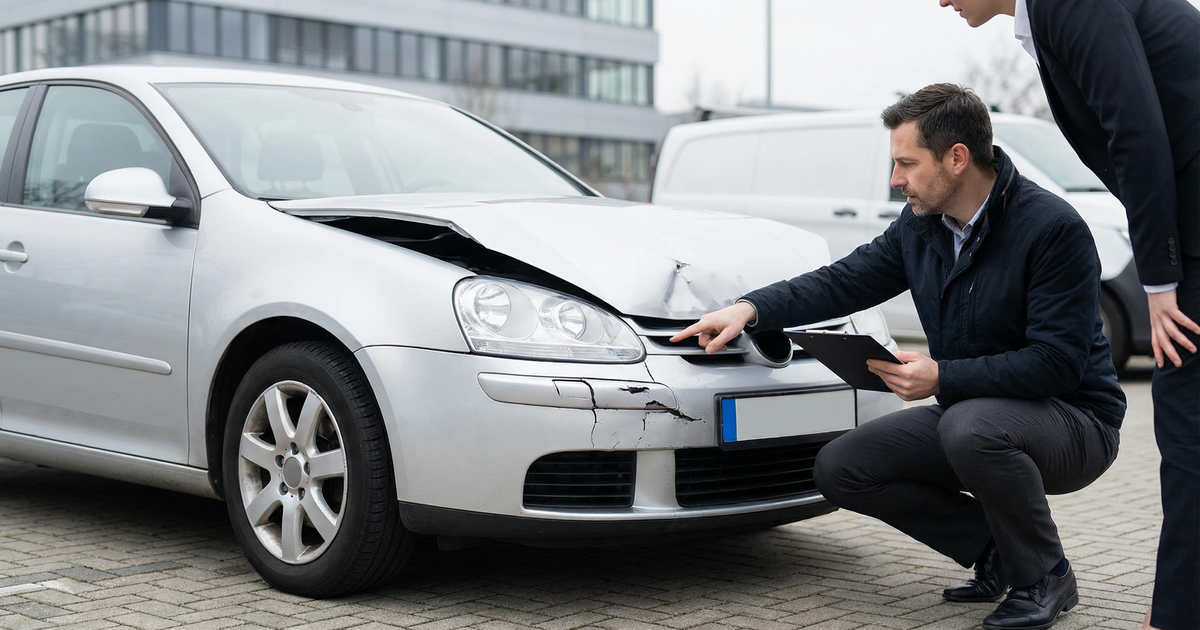
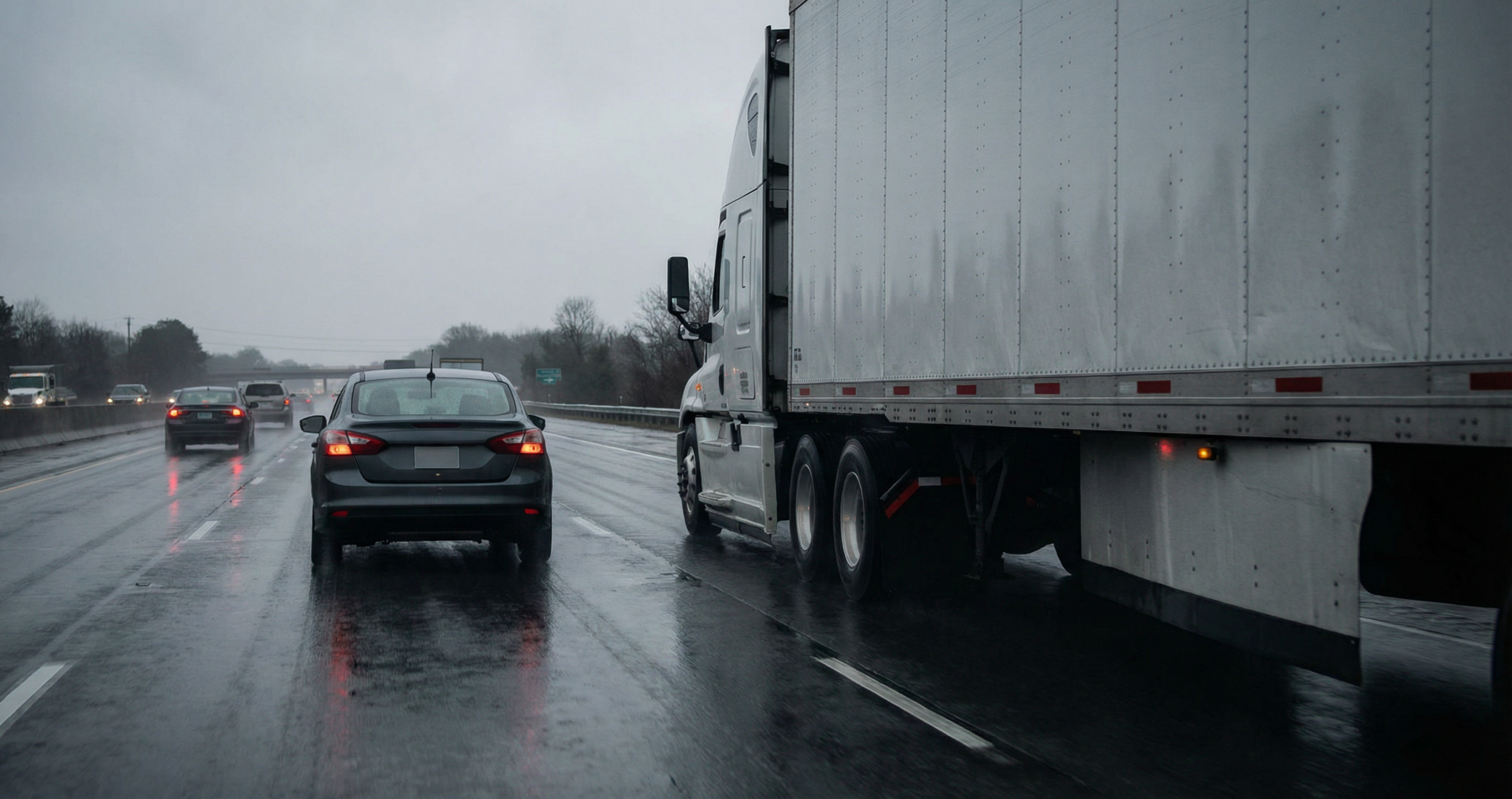
 

What is Diminished Value, and How Can You Claim It After a Florida Car Accident?

After a car accident, even with expert repairs, your vehicle may still be worth less than it was before the collision. This reduction in market value is known as diminished value. In Florida, if another driver’s negligence caused the accident, you may be entitled to claim this loss from their insurance company. Understanding diminished value is crucial for recovering the full extent of your damages.

What Exactly is Diminished Value in a Car Accident?

Diminished value refers to the difference between a vehicle’s market value before an accident and its market value after being repaired. Even perfectly repaired vehicles often carry a stigma due to their accident history, which can reduce their resale price. This loss is a real financial impact on the vehicle owner, regardless of the quality of repairs.


When a vehicle has been involved in a collision, potential buyers may be hesitant to pay the same price they would for a car with a clean history. This perception can lead to a tangible reduction in the vehicle’s worth. The concept acknowledges that a vehicle’s history, particularly accident involvement, influences its market appeal and subsequent value. This financial loss is distinct from the cost of repairs.

What Are the Different Types of Diminished Value?

There are typically three main types of diminished value: inherent, repair-related, and immediate. Inherent diminished value is the most common, representing the loss in market value simply because a vehicle has an accident history, even if perfectly repaired. Repair-related diminished value occurs when repairs are poorly executed, further reducing the vehicle’s worth. Immediate diminished value is the difference in value right after the accident, before any repairs are made.


Inherent diminished value is often the focus of claims, as it persists even after high-quality repairs. This type acknowledges that a vehicle’s accident history becomes part of its permanent record, affecting its desirability and price. Repair-related diminished value can arise from using aftermarket parts instead of original equipment manufacturer (OEM) parts, or from substandard repair work. Immediate diminished value is less commonly claimed directly, as it’s usually addressed through repair costs, but it forms the basis for calculating the other types.

How Do You Claim Diminished Value After an Accident in Florida?

To claim diminished value in Florida, you must typically prove that another party was at fault for the accident and that your vehicle has lost market value due to its accident history. The process generally involves obtaining a professional diminished value appraisal to quantify the loss, then presenting this evidence to the at-fault driver’s insurance company. It is important to gather all relevant documentation, including repair records and accident reports.


Florida law allows vehicle owners to seek compensation for diminished value from the at-fault driver’s insurance. You generally cannot claim diminished value from your own insurance company unless you have specific coverage, such as underinsured motorist coverage, and the at-fault driver’s policy limits are insufficient. The claim should ideally be filed after repairs are completed, as the appraisal will assess the post-repair market value. A detailed appraisal report is critical for substantiating your claim and negotiating with the insurer.

What Evidence is Needed to Support a Diminished Value Claim?

Supporting a diminished value claim requires comprehensive documentation, including the official accident report, detailed repair invoices, and photographs of the damage. Crucially, you will need a professional diminished value appraisal from a qualified expert. This appraisal compares your vehicle’s market value before the accident to its value after repairs, providing a concrete figure for the loss. The appraiser considers factors like vehicle make, model, mileage, and the severity of the damage.


The accident report establishes fault and the circumstances of the collision. Repair invoices demonstrate the extent and cost of the repairs undertaken. However, the cornerstone of a successful diminished value claim is often the independent appraisal. This report provides an objective assessment of the financial impact of the accident history on your vehicle’s marketability. Without a credible appraisal, insurance companies may dispute the extent of your loss or deny the claim entirely. Gathering all these documents systematically can strengthen your position during negotiations.

Can You Claim Diminished Value If You Were At Fault for the Accident?

In Florida, you typically cannot claim diminished value if you were at fault for the car accident. Diminished value claims are generally pursued against the at-fault driver’s insurance company, as it is a claim for damages caused by their insured’s negligence. If you are found to be primarily responsible for the collision, the legal basis for seeking compensation from another party for your vehicle’s loss in value is usually absent.


Florida operates under a comparative negligence system, meaning that if you are partially at fault, your ability to recover damages, including diminished value, may be reduced proportionally. However, if you are entirely at fault, you are generally responsible for your own damages and cannot seek diminished value from another party. There are exceptions, such as specific insurance coverages or unique policy provisions, but these are not common for diminished value. It is always advisable to consult with a personal injury attorney to understand your specific rights and options based on the accident’s circumstances.


If you’ve been in an accident and believe your vehicle has suffered diminished value, it’s important to act quickly. An experienced personal injury attorney can help you navigate the complexities of Florida law and ensure your rights are protected. They can assist in gathering necessary evidence, obtaining a professional appraisal, and negotiating with insurance companies to secure the compensation you deserve. Don’t let the insurance company undervalue your claim; seek legal guidance to understand your options and pursue the full extent of your damages.

Key Takeaways

  • Diminished Value Defined: The reduction in a vehicle’s market value after an accident, even if fully repaired.
  • Types: Primarily inherent (due to accident history), repair-related (poor repairs), and immediate (post-accident, pre-repair).
  • Florida Claims: Generally pursued against the at-fault driver’s insurance; requires proof of fault and a professional appraisal.
  • Evidence: Accident report, repair invoices, and a crucial independent diminished value appraisal.
  • At-Fault: Typically, you cannot claim diminished value if you were at fault for the accident.

Frequently Asked Questions About Diminished Value Claims

What is the statute of limitations for a diminished value claim in Florida?

In Florida, the statute of limitations for filing a property damage claim, which includes diminished value, is typically four years from the date of the accident. This means you have a limited window to initiate legal action to recover your losses. It is crucial to be aware of this deadline, as failing to file within the specified period may result in losing your right to pursue compensation for diminished value.

How is diminished value calculated?

Diminished value is often calculated by comparing the vehicle’s market value before the accident to its market value after repairs, taking into account its accident history. Professional appraisers use various methodologies, including comparing sales data of similar vehicles with and without accident histories. Factors such as the vehicle’s make, model, mileage, condition, and the severity of the damage all play a role in determining the final diminished value figure.

Can I claim diminished value if my car was totaled?

No, you typically cannot claim diminished value if your car was declared a total loss. When a vehicle is totaled, the insurance company pays out its actual cash value (ACV) before the accident, effectively compensating you for the entire loss of the vehicle. Since the vehicle is not repaired and returned to you, there is no post-repair market value to compare. Therefore, the concept of diminished value, which applies to repaired vehicles, does not apply to total loss situations.

Do I need an attorney to file a diminished value claim?

While you can attempt to file a diminished value claim on your own, retaining an experienced personal injury attorney often significantly improves your chances of a successful outcome. An attorney can help you understand your rights, gather necessary evidence, obtain a credible diminished value appraisal, and negotiate effectively with insurance companies. Insurance adjusters are trained to minimize payouts, and legal representation can ensure your claim is taken seriously and you receive fair compensation.

What if the insurance company denies my diminished value claim?

If the insurance company denies your diminished value claim, it does not necessarily mean you have no recourse. You may need to escalate your claim, provide additional evidence, or consider legal action. An attorney can review the denial, assess its validity, and advise you on the best course of action, which may include filing a lawsuit. It is important not to give up if your initial claim is denied, as many legitimate claims are initially rejected by insurers.


Dealing with the aftermath of a car accident can be overwhelming, especially when facing unexpected financial losses like diminished value. If you believe your vehicle has suffered diminished value after an accident in Florida, it is crucial to seek professional legal guidance. The experienced team at Gagliano Law, PLLC is dedicated to protecting your rights and helping you recover the compensation you deserve. Contact us today for a consultation to discuss your diminished value claim and explore your legal options. Call us at 813-444-9724 or visit our contact page at https://lawgagliano.com/contact/.


Disclaimer: This article is for informational purposes only and does not constitute legal advice. Every case is unique, and you should consult with a qualified attorney for advice tailored to your specific situation.


Why Are Truck Accident Claims More Complex Than Standard Car Accidents?

Truck accident claims are typically more complex than standard car accident claims due to several factors. These include the severe nature of injuries, the involvement of multiple potentially liable parties, stringent federal and state regulations governing commercial vehicles, and the unique types of evidence required. These elements combine to create a significantly more intricate legal process.

What Makes Truck Accident Claims More Complicated Legally?

Legally, truck accident claims are more complicated because they involve a broader scope of laws and potential defendants. Unlike car accidents, which often focus on one or two drivers, truck accidents bring in federal regulations, corporate liability, and a wider array of evidence, making the legal strategy more intricate. This expanded legal landscape requires specialized knowledge to navigate effectively.


Commercial truck accidents are governed by both state laws and federal regulations, primarily enforced by the Federal Motor Carrier Safety Administration (FMCSA). These regulations cover aspects such as driver hours-of-service, vehicle maintenance, and driver qualifications. Violations of these rules can establish negligence. Furthermore, multiple parties beyond the truck driver, such as the trucking company, cargo loaders, or even parts manufacturers, may share liability, necessitating a thorough investigation to identify all responsible entities. The higher insurance policy limits for commercial vehicles also mean that insurance companies often mount a more aggressive defense. FMCSA requires minimum liability coverage of $750,000 for general freight carriers and up to $5,000,000 for carriers of hazardous materials under 49 CFR Part 387 [5]. Under Florida Statute § 768.81(6) [6], if the injured person is found more than 50% at fault, they recover nothing. If you were driving a passenger vehicle, your PIP coverage under Florida Statute § 627.736 [7] provides the initial $10,000 in medical benefits regardless of fault. The statute of limitations for truck accident claims is two years from the date of the accident under Florida Statute § 95.11 [8].

How Do Federal Regulations Impact Truck Accident Cases?

Federal regulations significantly impact truck accident cases by introducing specific standards that can determine liability. The FMCSA sets detailed rules for commercial truck operations, and any breach of these rules can serve as powerful evidence of negligence in a claim. These regulations add layers of legal scrutiny not present in typical car accidents.


Key FMCSA regulations include rules on Hours of Service (HOS) (49 CFR Part 395) [1], which limit driving time to prevent fatigue. Drug and alcohol testing requirements (49 CFR Part 382) [2] mandate testing for commercial drivers, with positive results leading to disqualification. Vehicle maintenance standards (49 CFR Part 396) [3] require regular inspections and repairs, while driver qualification rules (49 CFR Part 391) [4] ensure drivers hold valid Commercial Driver’s Licenses (CDLs) and meet physical standards. A violation of any of these regulations can directly contribute to an accident and provide crucial evidence for a personal injury claim.

Who Can Be Held Liable in a Commercial Truck Accident?

In a commercial truck accident, liability can extend beyond just the truck driver to several other parties. This expanded pool of potential defendants makes truck accident claims more complex than car accidents, where liability is typically limited to the involved drivers. Identifying all liable parties is crucial for pursuing full compensation.


Potential liable parties often include the truck driver for negligent operation, the trucking company for issues like negligent hiring, inadequate training, or pressuring drivers to violate safety rules. The cargo loading company may be liable if improper loading caused the accident. Vehicle or parts manufacturers could be responsible for defective components. Additionally, third-party maintenance contractors might be held accountable for negligent repairs. The involvement of multiple parties, each with their own insurance and legal teams, complicates the investigation and negotiation process significantly.

What Unique Evidence Is Crucial in Truck Accident Claims?

Unique evidence is crucial in truck accident claims because it provides specific insights into commercial vehicle operations not found in car accidents. This specialized evidence, such as electronic logs and black box data, is vital for establishing fault and proving negligence. Its collection and analysis require specific expertise.


Unlike car accidents, truck accident investigations often involve Electronic Logging Device (ELD) data, which records driver hours and can reveal Hours of Service violations. Event Data Recorders (EDRs), or “black boxes,” capture critical pre-impact data like speed and braking. Driver qualification files, maintenance records, and cargo loading manifests also provide essential information. These documents and data sources are often subject to federal retention requirements, but prompt legal action is necessary to ensure their preservation, as they can be overwritten or destroyed if not secured quickly through a spoliation letter.

How Do Injuries and Damages Differ in Truck Accidents?

Injuries and damages in truck accidents typically differ significantly from car accidents due to the sheer size and weight disparity of the vehicles involved. Collisions with large commercial trucks often result in more severe, life-altering injuries and extensive property damage. This severity leads to higher medical costs, longer recovery times, and greater financial burdens for victims.


Victims of truck accidents frequently sustain catastrophic injuries, including traumatic brain injuries, spinal cord injuries, multiple fractures, and internal organ damage. These injuries often require prolonged medical treatment, rehabilitation, and may result in permanent disability or wrongful death. The economic and non-economic damages sought in these cases are consequently much higher, involving complex calculations for future medical care, lost earning capacity, pain and suffering, and emotional distress. The increased stakes mean that insurance companies and trucking corporations will typically invest heavily in defending against such claims.


For comprehensive legal guidance on personal injury matters, including truck accidents, consider reaching out to Gagliano Law, PLLC. Our experienced team understands the complexities involved and is dedicated to protecting your rights. Visit our Personal Injury page for more information.

Key Takeaways

  • Truck accident claims involve more complex legal frameworks due to federal and state regulations.
  • Multiple parties, including trucking companies and cargo loaders, can be held liable.
  • Unique evidence like ELD data and black box recordings are critical for these cases.
  • Injuries and damages are typically more severe, leading to higher compensation claims.
  • Prompt legal action is essential to preserve evidence and navigate complex regulations.

Frequently Asked Questions

Why are there more liable parties in a truck accident than a car accident?

There are typically more liable parties in a truck accident than a car accident because the commercial trucking industry involves a chain of responsibility. Beyond the driver, the trucking company, cargo loader, vehicle manufacturer, and maintenance providers all have roles and duties that, if neglected, can contribute to an accident. This contrasts with car accidents, where liability usually rests with the individual drivers involved. Each party


in the commercial trucking ecosystem has specific legal obligations, and a failure to meet them can result in shared liability.

What is the role of the FMCSA in truck accident claims?

The Federal Motor Carrier Safety Administration (FMCSA) plays a crucial role in truck accident claims by setting the safety standards for the entire trucking industry. These federal regulations govern everything from how long a driver can be on the road to how a truck must be maintained. When a truck driver or trucking company violates these regulations, it can be used as direct evidence of negligence, which is a key element in a personal injury claim.

How does the evidence in a truck accident case differ from a car accident?

The evidence in a truck accident case differs from a car accident because of the technology and documentation required for commercial vehicles. Trucks are often equipped with Electronic Logging Devices (ELDs) and Event Data Recorders (EDRs), which provide detailed data on the truck’s operation. Additionally, there are extensive records related to driver qualification, vehicle maintenance, and cargo loading. This type of evidence is not typically available in a standard car accident case and is vital for proving liability.

Why is it important to act quickly after a truck accident?

It is important to act quickly after a truck accident because critical evidence can be lost or destroyed. Federal regulations require trucking companies to maintain certain records, but not indefinitely. For example, data from an EDR can be overwritten in a short period. By taking swift action, an attorney can send a preservation letter to ensure that all relevant evidence is saved, which is essential for building a strong case.


If you or a loved one has been involved in a truck accident, the complexities of the legal process can be overwhelming. At Gagliano Law, PLLC, we have the experience and resources to handle these challenging cases. We are committed to helping our clients navigate the legal system and fight for the compensation they deserve. For a free consultation, please call us at 813-444-9724 or visit our contact page at https://lawgagliano.com/contact/.


This article is for informational purposes only and does not constitute legal advice. The information contained herein is not intended to create, and receipt of it does not constitute, an attorney-client relationship. You should not act or refrain from acting based on this information without seeking professional legal counsel. Past results do not guarantee a similar outcome.

References

[1] 49 CFR Part 395 – Hours of Service of Drivers [2] 49 CFR Part 382 – Controlled Substances and Alcohol Use and Testing [3] 49 CFR Part 396 – Inspection, Repair, and Maintenance [4] 49 CFR Part 391 – Qualifications of Drivers and Longer Combination Vehicle (LCV) Driver Instructors [5] 49 CFR Part 387 – Minimum Levels of Financial Responsibility for Motor Carriers [6] Florida Statute § 768.81(6) – Comparative Fault [7] Florida Statute § 627.736 – Required personal injury protection benefits; exclusions; priority [8] Florida Statute § 95.11 – Limitations other than for the recovery of real property


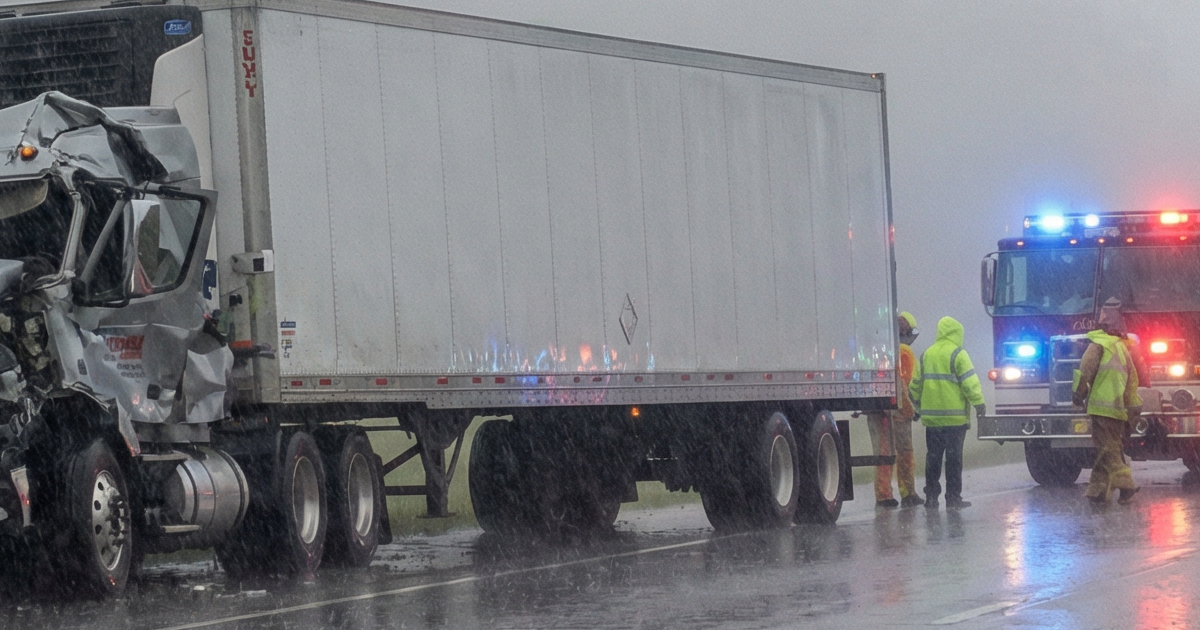
What are the Most Common Causes of Commercial Truck Accidents?

Commercial truck accidents are most often caused by driver error, mechanical failures, and adverse environmental conditions. Driver-related issues like fatigue, distracted driving, and speeding are frequent culprits. Vehicle component failures, such as brake problems or tire blowouts, also contribute significantly. Additionally, challenging weather and poor road conditions can exacerbate these risks, leading to severe collisions.

What Role Does Driver Error Play in Commercial Truck Accidents?

Driver error is a frequent and significant contributing factor in commercial truck accidents, accounting for a substantial percentage of collisions. This category includes actions such as distracted driving, speeding, aggressive maneuvers, and failing to maintain proper lookout. These errors can stem from various pressures, including tight delivery schedules or inadequate training, leading to critical mistakes on the road.


Supporting Explanation: The Federal Motor Carrier Safety Administration (FMCSA) and the National Highway Traffic Safety Administration (NHTSA) have identified driver-related factors as primary causes in many large truck crashes [1]. Distracted driving, such as cell phone use or eating, diverts a driver’s attention from the road. Speeding, especially in adverse conditions, reduces reaction time and increases stopping distances for heavy vehicles. Furthermore, aggressive driving, like improper lane changes or following too closely, can escalate dangerous situations quickly. These human factors underscore the importance of rigorous driver training and adherence to safety regulations to mitigate accident risks. For more information on driver responsibilities, visit Gagliano Law, PLLC’s page on truck accident claims.

How Do Mechanical Failures Contribute to Truck Collisions?

Mechanical failures in commercial trucks can significantly contribute to collisions, often due to neglected maintenance or manufacturing defects. Issues such as faulty brakes, tire blowouts, steering system malfunctions, and defective lighting can render a large truck uncontrollable. These failures can lead to sudden loss of control, making it impossible for drivers to react safely, especially at highway speeds.


Supporting Explanation: The sheer size and weight of commercial trucks mean that even minor mechanical issues can have catastrophic consequences. Brake problems are particularly common, with studies indicating they are a frequent factor in truck accidents [2]. Tire blowouts, often caused by improper inflation or worn treads, can lead to immediate loss of vehicle stability. Steering and suspension system failures, though less frequent, can also result in a driver’s inability to control the vehicle. Regular inspections and adherence to maintenance schedules are crucial for preventing these mechanical failures, but sometimes defects are inherent or overlooked, leading to unexpected and dangerous situations on the road.

Can Environmental Conditions Lead to Commercial Truck Accidents?

Yes, environmental conditions frequently play a role in commercial truck accidents, often exacerbating other contributing factors. Adverse weather, such as heavy rain, snow, ice, or dense fog, can severely reduce visibility and traction, making it difficult for truck drivers to maintain control. Poor road conditions, including potholes, uneven surfaces, or construction zones, also present significant hazards.


Supporting Explanation: Truck drivers are trained to adjust their driving to account for environmental challenges, but even experienced operators can be caught off guard by sudden changes in weather or unexpected road hazards. Wet or icy roads drastically increase stopping distances for heavy vehicles, and strong winds can make it challenging to keep a tall truck stable. Reduced visibility due to fog or heavy precipitation can obscure other vehicles, road signs, and potential obstacles. While drivers are expected to exercise caution, the inherent dangers of operating large vehicles in less-than-ideal conditions mean that environmental factors remain a significant cause of accidents. These conditions often demand a heightened level of awareness and reduced speeds to prevent collisions.

Why is Improper Cargo Loading a Risk Factor for Truck Accidents?

Improper cargo loading is a critical risk factor for commercial truck accidents because it can severely compromise a truck’s stability and handling. When cargo is unevenly distributed, overloaded, or inadequately secured, it can cause the truck to become unbalanced, increasing the likelihood of rollovers, jackknifing, or loss of control. This issue can shift the vehicle’s center of gravity, making it difficult for the driver to steer or brake effectively.


Supporting Explanation: The Federal Motor Carrier Safety Administration (FMCSA) has strict regulations regarding cargo securement to prevent such incidents. If cargo shifts during transit, especially during turns or sudden stops, it can create an imbalance that the driver cannot counteract. Overloaded trucks also place excessive strain on tires, brakes, and suspension systems, increasing the risk of mechanical failure. Furthermore, unsecured cargo can spill onto the roadway, creating hazards for other drivers. Ensuring that cargo is properly weighed, distributed, and secured according to federal guidelines is essential for maintaining vehicle stability and preventing dangerous accidents. Violations of these regulations can lead to severe penalties and significantly contribute to accident causation.

Navigating the Aftermath of a Truck Accident

If you or a loved one has been involved in a commercial truck accident, understanding the complexities of liability and legal recourse can be overwhelming. These incidents often involve multiple parties, including the truck driver, trucking company, cargo loaders, and even vehicle manufacturers. Seeking timely legal guidance can help ensure your rights are protected and that you receive fair compensation for injuries and damages. An experienced personal injury attorney can assist in investigating the cause of the accident, gathering evidence, and negotiating with insurance companies on your behalf. For more insights into personal injury claims, consider exploring resources on Gagliano Law, PLLC’s personal injury practice areas.

What are the Key Takeaways Regarding Commercial Truck Accident Causes?

  • Driver Actions are Crucial: Driver fatigue, distraction, and speeding are frequent causes of truck accidents.
  • Maintenance Prevents Failures: Regular inspection and maintenance can prevent mechanical issues like brake failures and tire blowouts.
  • Environment Adds Risk: Adverse weather and poor road conditions significantly increase the danger of truck operations.
  • Cargo Security is Paramount: Improperly loaded or secured cargo can destabilize a truck, leading to loss of control.
  • Complex Interactions: Accidents often result from a combination of these factors, not just a single cause.

Frequently Asked Questions About Commercial Truck Accidents

What is the most common cause of commercial truck accidents?

The most common cause of commercial truck accidents often involves driver error, including factors like fatigue, distracted driving, speeding, and improper decision-making. While mechanical failures and environmental conditions also contribute, human factors are frequently identified as the primary catalyst for these collisions. These driver-related issues can lead to a range of dangerous situations on the road.

How does driver fatigue impact truck safety?

Driver fatigue significantly impairs a truck driver’s ability to operate their vehicle safely, leading to slower reaction times, reduced alertness, and poor judgment. Hours-of-service regulations are in place to prevent fatigue, but violations can occur, increasing the risk of accidents. A fatigued driver may struggle to perceive hazards or react appropriately to changing road conditions, making them a danger to themselves and others.

Are mechanical failures preventable in commercial trucks?

Many mechanical failures in commercial trucks are preventable through diligent maintenance, regular inspections, and adherence to safety standards. Issues like faulty brakes, worn tires, or steering problems can often be identified and addressed before they lead to an accident. However, some failures can arise unexpectedly due to manufacturing defects or unforeseen circumstances, despite best efforts in maintenance.

What role does weather play in truck accidents?

Adverse weather conditions, such as heavy rain, snow, ice, or dense fog, can severely compromise road safety for commercial trucks. These conditions reduce visibility, decrease tire traction, and increase stopping distances, making it challenging for drivers to maintain control. While drivers are expected to adjust their driving, severe weather can still contribute to accidents, even with careful operation.

How can improper cargo loading lead to accidents?

Improper cargo loading can lead to commercial truck accidents by destabilizing the vehicle, making it prone to rollovers, jackknifing, or loss of control. When cargo is unevenly distributed, overloaded, or inadequately secured, it shifts the truck’s center of gravity, affecting its handling and braking capabilities. This can create dangerous situations, especially during turns or sudden stops, compromising overall road safety.

Contact Gagliano Law, PLLC Today

If you or a loved one has been affected by a commercial truck accident, the experienced legal team at Gagliano Law, PLLC is here to help. We understand the devastating impact these accidents can have and are dedicated to fighting for your rights. Contact us today for a consultation to discuss your case and explore your legal options. Call us at 813-444-9724 or visit our contact page at https://lawgagliano.com/contact/ to schedule an appointment.

Disclaimer

This article is intended for informational purposes only and does not constitute legal advice. The information provided herein is not a substitute for professional legal counsel. For advice on specific legal issues, please consult with a qualified attorney.
References

[1] Federal Motor Carrier Safety Administration. (2014). The Large Truck Crash Causation Study – Analysis Brief. Retrieved from https://www.fmcsa.dot.gov/safety/research-and-analysis/large-truck-crash-causation-study-analysis-brief


[2] National Highway Traffic Safety Administration. (n.d.). Heavy Truck Crashworthiness. Retrieved from https://www.nhtsa.gov/crashworthiness/heavy-truck-crashworthiness


Who is Liable if You Are Injured as a Passenger in an Uber or Lyft in Florida?

Being involved in an accident as a passenger in a rideshare vehicle can be a confusing and stressful experience. Understanding who is responsible for your injuries, especially in a state like Florida with specific rideshare laws, is crucial for seeking appropriate compensation. This article will explore the complexities of liability in Uber and Lyft accidents, outlining the insurance coverages and legal considerations that may affect your claim.


If you are injured as a passenger in an Uber or Lyft in Florida, liability typically depends on the driver’s status at the time of the accident and who was at fault. Rideshare companies like Uber and Lyft provide significant insurance coverage when a driver is actively engaged in a trip, but personal insurance policies and other drivers’ coverages may also apply. Florida’s no-fault laws also play a role in initial medical expense coverage.

What Insurance Coverage Applies to an Uber or Lyft Accident in Florida?

In Florida, the insurance coverage that applies to an Uber or Lyft accident depends on the rideshare driver’s status at the time of the incident. When a driver is logged into the app and awaiting a ride request, a lower level of coverage is active. Once a ride is accepted and during the trip, significantly higher commercial insurance policies provided by Uber or Lyft typically become primary. These policies are mandated by Florida law to protect passengers.


Florida Statute §627.748 outlines a tiered insurance system for rideshare companies [1]. When an Uber or Lyft driver is logged into the app but has not yet accepted a ride, their personal auto insurance is primary, but the rideshare company provides contingent liability coverage of at least $50,000 per person for bodily injury, $100,000 per accident, and $25,000 for property damage. Once a driver accepts a ride request and until the trip concludes, the rideshare company’s full commercial policy activates, offering at least $1 million in liability coverage. This substantial coverage is designed to protect passengers who suffer personal injury during a rideshare trip. For more information on personal injury claims, visit Gagliano Law, PLLC’s Personal Injury page.

How Does Florida’s No-Fault Law Affect Uber or Lyft Passenger Injuries?

Florida’s no-fault law requires all drivers, including rideshare drivers, to carry Personal Injury Protection (PIP) insurance, which typically covers up to $10,000 of medical expenses and lost wages regardless of who caused the accident. As a passenger, your own PIP policy, if you have one, or the PIP policy of a resident relative, would generally be the first source of coverage for your initial medical bills following an horrific Uber or Lyft accident.


Under Florida Statute 627.736, PIP coverage is designed to provide immediate benefits for accident-related injuries, reducing the need to determine fault before receiving essential medical care [2]. If you do not own a vehicle or live with a relative who has PIP coverage, you may be able to claim PIP benefits through the rideshare driver’s personal policy or, in some cases, through the rideshare company’s insurance. This initial coverage is crucial for addressing immediate medical needs, but it often does not cover the full extent of severe injuries or other damages like pain and suffering.

How is Fault Determined in an Uber or Lyft Accident Involving a Passenger?

Determining fault in an Uber or Lyft accident involving a passenger can be complex, as it depends on the specific circumstances of the crash. Fault may lie with the rideshare driver, another motorist, or even a third party. Investigating the accident scene, reviewing police reports, witness statements, and vehicle data are all crucial steps in establishing who was responsible for causing the collision.


Unlike traditional car accidents where fault directly dictates who pays, Florida’s no-fault system means your PIP coverage pays first. However, for damages exceeding PIP limits, such as significant medical bills, lost wages beyond initial coverage, and pain and suffering, proving fault becomes essential. If the rideshare driver was at fault, their personal insurance or the rideshare company’s commercial policy would typically be pursued. If another driver caused the accident, their insurance would be the primary target. An experienced personal injury attorney can help gather evidence and navigate these complexities to identify the at-fault party and pursue appropriate compensation.

What Steps Should You Take After an Uber or Lyft Accident as a Passenger?

After being involved in an Uber or Lyft accident as a passenger, your immediate priority should be your safety and well-being. Seek medical attention promptly, even if your injuries seem minor, as some conditions may not manifest immediately. Documenting the scene by taking photos or videos, gathering contact information from the drivers and witnesses, and obtaining a copy of the police report are also crucial steps to protect your potential claim.


It is important to remember that what you say and do at the accident scene can significantly impact your ability to recover compensation. Avoid making statements that admit fault or minimize your injuries. Report the accident to both the rideshare company and your own insurance provider. Consulting with a personal injury attorney specializing in rideshare accidents can provide invaluable guidance during this confusing time. They can help you understand your rights, navigate the complex insurance claims process, and ensure all necessary evidence is preserved. For personalized advice, consider reaching out to a legal professional.


Navigating the aftermath of a rideshare accident can be overwhelming, especially when dealing with injuries and complex insurance policies. If you or a loved one has been injured as a passenger in an Uber or Lyft, understanding your legal options is critical. An experienced personal injury attorney can provide clarity and advocate on your behalf to ensure you receive the compensation you deserve.

Key Takeaways

  • Tiered Insurance Coverage: Uber and Lyft provide significant insurance coverage, but the amount depends on the driver’s status (app off, app on awaiting ride, or on an active trip).
  • Florida No-Fault Law: Your Personal Injury Protection (PIP) insurance is typically the first source for medical expenses, regardless of fault.
  • Complex Liability: Determining who is at fault can be complicated and may involve the rideshare driver, another motorist, or other parties.
  • Document Everything: After an accident, prioritize medical attention and thoroughly document the scene, injuries, and contact information.
  • Seek Legal Counsel: Consulting with a personal injury attorney is crucial to navigate the legal and insurance complexities and protect your rights.

Frequently Asked Questions (FAQ)

Can I sue Uber or Lyft directly if I am injured as a passenger?

Directly suing Uber or Lyft as corporations is often challenging, as they typically classify drivers as independent contractors, which limits their direct liability for driver actions. However, their substantial commercial insurance policies are designed to cover passenger injuries when the driver is actively engaged in a ride. Your claim would typically be against the at-fault driver and their insurance, with the rideshare company’s policy acting as a significant layer of coverage.

What if the Uber or Lyft driver was not at fault for the accident?

If the Uber or Lyft driver was not at fault, liability would typically shift to the responsible third-party driver and their insurance company. In such cases, you would pursue a claim against the at-fault driver’s bodily injury liability coverage. The rideshare company’s insurance might still play a role, particularly if the at-fault driver is uninsured or underinsured, providing an additional layer of protection for your injuries.

What kind of damages can I recover after an Uber or Lyft accident?

After an Uber or Lyft accident, you may be able to recover various damages, including medical expenses, lost wages, pain and suffering, and other related costs. The specific types and amounts of damages recoverable depend on the severity of your injuries, the extent of your financial losses, and the applicable insurance policies. Florida law allows for recovery of non-economic damages like pain and suffering if your injuries meet certain thresholds.

Do I need a lawyer if I was injured as an Uber or Lyft passenger?

While not legally required, retaining a personal injury lawyer is highly recommended if you were injured as an Uber or Lyft passenger. Rideshare accident claims involve complex insurance policies, multiple potential liable parties, and specific Florida laws. An attorney can help investigate the accident, gather evidence, negotiate with insurance companies, and ensure your rights are protected, maximizing your chances of a fair settlement or verdict.

How long do I have to file a claim after an Uber or Lyft accident in Florida?

In Florida, the statute of limitations for personal injury claims, including those arising from Uber or Lyft accidents, is typically two years from the date of the accident. This means you generally have two years to file a lawsuit in court. However, it is always advisable to consult with an attorney as soon as possible, as delays can complicate evidence collection and impact the strength of your claim.

Contact Gagliano Law, PLLC Today

If you have been injured as a passenger in an Uber or Lyft accident in Florida, don’t navigate the complex legal landscape alone. The experienced personal injury attorneys at Gagliano Law, PLLC are dedicated to protecting your rights and helping you secure the compensation you deserve. Contact us today for a free consultation to discuss your case.


Call Gagliano Law, PLLC at 813-444-9724 or visit our website at https://lawgagliano.com/contact/ to schedule your consultation.


Disclaimer: This article is for informational purposes only and does not constitute legal advice. The information provided is not a substitute for consulting with a qualified attorney regarding your specific situation. Laws are subject to change, and individual circumstances vary. You should not act or refrain from acting based on any information presented herein without seeking professional legal counsel.

References

[1] Florida Statute §627.748. (n.d.). Retrieved from https://www.leg.state.fl.us/statutes/index.cfm?App_mode=Display_Statute&URL=0600-0699/0627/Sections/0627.748.html [2] Florida Statute §627.736. (n.d.). Retrieved from https://www.leg.state.fl.us/statutes/index.cfm?App_mode=Display_Statute&URL=0600-0699/0627/Sections/0627.736.html


How Do Rideshare (Uber/Lyft) Accidents Differ from Regular Car Accidents in Florida?

Rideshare services like Uber and Lyft have transformed transportation, offering convenience to millions. However, when accidents occur involving these vehicles, the legal and insurance landscape can become significantly more complex than a typical car crash. Understanding these distinctions is crucial for anyone involved in such an incident, especially in a state like Florida with its specific regulations. This article explores the key differences, focusing on insurance, liability, and Florida-specific laws that impact rideshare accident claims.


Direct Answer: Rideshare accidents involve unique complexities compared to regular car accidents, primarily due to the tiered insurance policies of companies like Uber and Lyft, and the intricate process of determining liability. These cases often require navigating specific state regulations, such as Florida Statute §627.748, which outlines insurance requirements based on the rideshare driver’s app status, making the legal process distinct.

How does insurance coverage differ in rideshare accidents compared to regular car accidents?

Direct Answer: Insurance coverage in rideshare accidents is significantly more complex than in regular car accidents, involving a tiered system that depends on the rideshare driver’s status at the time of the incident. While personal auto insurance typically covers regular accidents, rideshare companies provide supplemental commercial policies that activate under specific conditions, often leaving gaps in coverage.


Supporting Explanation: In Florida, all drivers are required to carry Personal Injury Protection (PIP) insurance, which covers medical expenses regardless of fault [1]. However, for rideshare drivers, their personal auto insurance policy may deny claims if they were operating for commercial purposes. Rideshare companies like Uber and Lyft offer their own insurance policies, but these policies have different coverage limits and applicability depending on whether the driver was offline, logged into the app awaiting a request, en route to pick up a passenger, or actively transporting a passenger. Florida Statute §627.748 specifically addresses this tiered insurance system, outlining the minimum coverage requirements for each phase of rideshare operation [2]. This can create confusion and disputes over which policy is primary and which is secondary, making claims more challenging than standard car accident claims. For instance, if a driver is logged into the app but has not yet accepted a ride, Uber’s insurance might provide limited coverage, typically $50,000 in bodily injury liability per person and $100,000 per accident, and $25,000 in property damage liability [3].

How is liability determined in rideshare accident cases?

Direct Answer: Determining liability in rideshare accident cases is often more intricate than in traditional car accidents due to the involvement of multiple parties, including the rideshare driver, the rideshare company, and potentially other drivers. The specific circumstances of the accident, particularly the driver’s activity on the rideshare app, play a crucial role in assigning fault and identifying responsible insurers.


Supporting Explanation: In a regular car accident, liability typically falls on the at-fault driver. However, with rideshare accidents, the question of who is liable can extend to the rideshare company itself. If the rideshare driver was actively transporting a passenger or en route to pick one up, the rideshare company’s substantial commercial insurance policy (often $1 million in liability coverage) typically applies [3]. If the driver was logged into the app but awaiting a request, a lower level of coverage from the rideshare company might be available, or the driver’s personal insurance might be primarily responsible. When the driver is offline, only their personal insurance applies. Proving negligence and navigating these different insurance tiers requires a thorough investigation and understanding of both personal injury law and rideshare company policies, often necessitating legal expertise to ensure all responsible parties are identified. For example, if a rideshare driver causes an accident while actively transporting a passenger, the rideshare company’s $1 million liability policy would likely be the primary source of compensation for injuries and damages.

What are the key legal distinctions in pursuing a claim after a rideshare accident?

Direct Answer: Pursuing a claim after a rideshare accident involves distinct legal considerations compared to a regular car accident, primarily due to the corporate structure of rideshare companies and the specific statutes governing their operations. These cases often require a deeper understanding of commercial insurance policies, vicarious liability, and the interplay between personal and commercial coverage.


Supporting Explanation: In a standard car accident, the legal process generally involves dealing with the at-fault driver’s personal insurance company. However, rideshare accidents introduce a third-party corporation, Uber or Lyft, into the equation. This means claimants may need to pursue compensation from the rideshare company’s insurance, which operates under different rules and often has more resources to defend against claims. Additionally, specific state laws, such as Florida’s regulations concerning rideshare operations, dictate the minimum insurance coverage and liability frameworks. Understanding these legal nuances, including the concept of vicarious liability (where the rideshare company might be held responsible for the driver’s actions), is critical. The legal strategy for a rideshare accident claim often involves meticulous evidence gathering, detailed analysis of the driver’s app status, and skilled negotiation with multiple insurance carriers, which can be significantly more complex than a typical car accident claim. An internal link to Gagliano Law’s personal injury page could be helpful here: Personal Injury Claims.

How do Florida laws specifically impact rideshare accident claims?

Direct Answer: Florida laws significantly impact rideshare accident claims by establishing a no-fault insurance system and, more specifically, by enacting Florida Statute §627.748, which creates a tiered insurance structure for rideshare operations. This statute dictates the applicable insurance coverage based on the rideshare driver’s status at the time of the collision.


Supporting Explanation: As a no-fault state, Florida requires all drivers to carry Personal Injury Protection (PIP) insurance, which covers a portion of medical expenses and lost wages regardless of who caused the accident [1]. This applies to rideshare drivers and passengers as well. However, Florida Statute §627.748 specifically addresses the unique insurance landscape of rideshare companies [2]. It mandates different levels of liability and uninsured/underinsured motorist coverage depending on whether the driver is: (1) offline, (2) logged into the app but awaiting a ride request, or (3) actively engaged in a prearranged ride (en route to pick up or transporting a passenger). This tiered system means that the available insurance coverage can vary dramatically, from the driver’s personal policy to the rideshare company’s commercial policy. Understanding the specifics of this Florida statute is paramount for anyone involved in a rideshare accident, as it directly influences which insurance policies can be tapped for compensation and the overall legal strategy. For example, if a driver is offline, only their personal insurance applies, which may not be sufficient to cover severe injuries.

Key Takeaways

  • Rideshare accidents involve a complex, tiered insurance system based on the driver’s app status.
  • Liability determination can extend beyond the driver to include the rideshare company.
  • Florida’s no-fault laws and specific rideshare statutes (e.g., §627.748) add unique layers of complexity.
  • Personal auto insurance may not cover rideshare activities.
  • Navigating rideshare accident claims often requires specialized legal knowledge.

FAQ

What should I do immediately after a rideshare accident in Florida?

Direct Answer: Immediately after a rideshare accident in Florida, ensure your safety and the safety of others, then contact emergency services if there are injuries. Exchange information with all involved parties, document the scene with photos and videos, and seek medical attention promptly. It is also crucial to report the accident to the rideshare company and contact a personal injury attorney experienced in rideshare cases.

Can I sue Uber or Lyft directly after an accident?

Direct Answer: Suing Uber or Lyft directly after an accident is possible, but the ability to do so often depends on the specific circumstances of the accident and the rideshare driver’s status at the time. While the rideshare company’s insurance policy may provide significant coverage, establishing direct liability against the company itself can be challenging and typically requires demonstrating negligence on their part, such as negligent hiring practices. For instance, if a rideshare company knowingly employs a driver with a history of reckless driving, and that driver causes an accident, there may be grounds to pursue a claim against the company directly.

Does my personal car insurance cover me in a rideshare accident?

Direct Answer: Your personal car insurance typically does not cover you when you are operating as a rideshare driver, as most personal policies exclude commercial activities. However, if you are a passenger, your personal health insurance or uninsured/underinsured motorist coverage might apply. For drivers, specialized rideshare insurance or the rideshare company’s policy would be the primary source of coverage. Many personal auto insurance policies explicitly state that they do not cover accidents that occur while the vehicle is being used for commercial purposes, including ridesharing.

What is Florida Statute §627.748 and how does it apply to rideshare accidents?

Direct Answer: Florida Statute §627.748 is a key law that specifically governs insurance requirements for transportation network companies (rideshare companies) and their drivers in Florida. It establishes a tiered insurance system, mandating different levels of coverage based on whether the driver is offline, logged in and awaiting a request, or actively engaged in a prearranged ride. This statute is crucial for determining which insurance policy applies after a rideshare accident.

How long do I have to file a rideshare accident claim in Florida?

Direct Answer: In Florida, the statute of limitations for personal injury claims, including those arising from rideshare accidents, is generally two years from the date of the accident. This means you typically have two years to file a lawsuit to seek compensation for your injuries. However, it is always advisable to consult with an attorney as soon as possible, as delays can complicate evidence collection and impact your claim. For example, waiting too long can make it difficult to gather witness testimonies or obtain crucial evidence like dashcam footage.


Soft Call to Action: If you or a loved one has been involved in a rideshare accident, understanding your rights and the complexities of these claims is crucial. Seeking timely legal guidance can help ensure your interests are protected. Consider reaching out to a legal professional to discuss your specific situation and explore your options.


Final Call to Action: Navigating the aftermath of a rideshare accident requires specialized legal knowledge. For a comprehensive understanding of your options and dedicated representation, contact Gagliano Law, PLLC today at 813-444-9724 or visit us at https://lawgagliano.com/contact/.


Disclaimer: This article is for informational purposes only and does not constitute legal advice. Every case is unique, and you should consult with a qualified attorney for advice regarding your specific situation.

References

[1] Florida Statutes §627.736, Personal Injury Protection. Available at: http://www.leg.state.fl.us/Statutes/index.cfm?App_mode=Display_Statute&URL=0600-0699/0627/Sections/0627.736.html [2] Florida Statute §627.748, Transportation network company coverage. Available at: http://www.leg.state.fl.us/Statutes/index.cfm?App_mode=Display_Statute&URL=0600-0699/0627/Sections/0627.748.html [3] Uber Insurance Policy. Available at: https://www.uber.com/us/en/drive/insurance/


How is Fault Determined in a Florida Auto Accident?

In Florida, determining fault in an auto accident involves assessing negligence, even within its no-fault insurance system. While Personal Injury Protection (PIP) covers initial medical expenses regardless of fault, liability for serious injuries or property damage often relies on proving which party failed to act with reasonable care. This process considers various factors, including traffic laws, evidence from the scene, and witness accounts, to establish responsibility.

What is Florida’s No-Fault Law and How Does it Affect Fault Determination?

Direct Answer:

Florida’s no-fault law mandates that drivers carry Personal Injury Protection (PIP) insurance, which covers their own medical expenses and lost wages up to a certain limit, regardless of who caused the accident. This system aims to streamline minor accident claims by reducing the need to prove fault for initial injury costs. However, it does not eliminate fault determination entirely, especially for significant damages or serious injuries that exceed PIP coverage.

Supporting Explanation:

Under Florida Statute §627.736 [1], every driver must have PIP coverage. This means that after an accident, your own insurance company typically pays for your initial medical treatment and a portion of your lost wages, up to $10,000. This system is designed to provide quick access to benefits without the delay of determining fault. However, if your injuries are severe enough to meet Florida’s “serious injury threshold,” you may be able to step outside the no-fault system and pursue a claim against the at-fault driver for additional damages, such as pain and suffering. This is where proving fault becomes crucial, as it directly impacts your ability to recover compensation beyond your PIP benefits. The no-fault system primarily addresses immediate medical costs, but for more extensive losses, fault remains a central legal consideration.

How Does Comparative Negligence Impact Car Accident Claims in Florida?

Direct Answer:

Florida operates under a modified comparative negligence rule, meaning that if you are found to be 51% or more at fault for an accident, you are generally barred from recovering any damages from the other party. If you are 50% or less at fault, you can still recover damages, but the amount will be reduced proportionally to your percentage of fault. This rule makes accurate fault determination critical for any personal injury claim.

Supporting Explanation:

Prior to March 2023, Florida followed a pure comparative negligence standard, allowing injured parties to recover some damages even if they were mostly at fault. The shift to modified comparative negligence, outlined in Florida Statute §768.81 [2], significantly impacts how accident claims are handled. For example, if a jury determines your total damages are $100,000, but you were 20% at fault, your recoverable compensation would be reduced to $80,000. However, if you were found 55% at fault, you would receive no compensation. This legal framework incentivizes insurance companies to try and assign a higher percentage of fault to the injured party, underscoring the importance of a thorough investigation and strong legal representation to protect your right to compensation.

What Evidence is Used to Determine Fault in a Florida Car Accident?

Direct Answer:

Determining fault in a Florida car accident involves a comprehensive review of various types of evidence. This includes physical evidence from the scene, such as vehicle damage and skid marks; documentary evidence like police reports, medical records, and cell phone data; and human elements, including eyewitness statements and expert testimony. Each piece of evidence helps to reconstruct the accident and establish negligence.

Supporting Explanation:

Police reports, while not always admissible as sole evidence of fault in court, provide an initial assessment and often include crucial details like traffic citations. Physical evidence, such as the location and type of vehicle damage, accident scene photos, and even “black box” data from modern vehicles, can reveal impact angles, speeds, and driver actions. Medical records directly link injuries to the accident, while cell phone records can indicate distracted driving. Surveillance footage from traffic cameras or nearby businesses offers an impartial view of the incident. In complex cases, accident reconstructionists and medical experts may provide testimony to clarify how the accident occurred and the extent of injuries. Gathering and analyzing this evidence is essential for building a strong case and accurately assigning fault.

Are There Common Scenarios Where Fault is Typically Assigned in Florida?

Direct Answer:

In Florida, certain accident scenarios often lead to a typical assignment of fault. For instance, the driver who rear-ends another vehicle is usually considered at fault due to the legal requirement to maintain a safe following distance. Similarly, the driver making a left turn is frequently found responsible in collisions with oncoming traffic, as they are generally required to yield the right-of-way. However, exceptions can apply based on specific circumstances and contributing factors.

Supporting Explanation:

For rear-end collisions, Florida law generally presumes the trailing driver is negligent for failing to maintain a safe distance, as per Florida Statute §316.089 [3]. Exceptions might include the lead driver braking suddenly without reason or having non-functional brake lights. In left-turn accidents, Florida Statute §316.122 [4] dictates that the turning vehicle must yield to oncoming traffic, making them typically at fault. However, if the oncoming driver was speeding excessively or ran a red light, fault could be shared or shifted. Intersection accidents, often referred to as “T-bone” collisions, usually assign fault to the driver who failed to obey a traffic signal or sign. These common scenarios provide a general guideline, but a thorough investigation of all contributing factors is always necessary to determine precise fault.

Key Takeaways:

  • Florida’s no-fault system covers initial medical costs via PIP, but fault is crucial for serious injuries or damages beyond PIP limits.
  • Modified comparative negligence means you may not recover damages if you are 51% or more at fault.
  • Evidence like police reports, vehicle damage, medical records, and witness statements are vital for proving fault.
  • Common accident types, like rear-end and left-turn collisions, have typical fault assignments, but exceptions exist.

FAQ Section:

FAQ 1: Does Florida’s no-fault law mean I can’t sue after a car accident?

Direct Answer:

Florida’s no-fault law primarily means your own Personal Injury Protection (PIP) insurance covers initial medical expenses and lost wages, regardless of who caused the accident. However, if your injuries are severe enough to meet the state’s “serious injury threshold,” you may still be able to pursue a personal injury claim against the at-fault driver for damages beyond what PIP covers, such as pain and suffering. This is when fault becomes a critical factor.

FAQ 2: What is the 51% rule in Florida car accident claims?

Direct Answer:

Florida’s 51% rule refers to its modified comparative negligence law. If you are found to be 51% or more responsible for causing a car accident, you are legally barred from recovering any compensation from the other party. If your fault is determined to be 50% or less, you can still recover damages, but the total amount will be reduced proportionally to your percentage of fault.

FAQ 3: How long do I have to file a car accident lawsuit in Florida?

Direct Answer:

In Florida, the statute of limitations for most car accident personal injury lawsuits is two years from the date of the accident. This deadline was changed in March 2023 from the previous four-year limit. It is crucial to consult with an attorney promptly after an accident to ensure your claim is filed within the legal timeframe, as missing this deadline can result in losing your right to seek compensation.

FAQ 4: Can a police report solely determine fault in a Florida car accident?

Direct Answer:

While a police report provides an initial assessment and valuable information about a car accident, it is generally not the sole determinant of fault in a Florida court. Police reports are often considered hearsay and are based on immediate observations and statements at the scene. A comprehensive fault determination typically involves gathering additional evidence, such as witness statements, vehicle damage analysis, and expert testimony, to build a complete picture of negligence.

Seeking Legal Guidance After a Florida Auto Accident?

Navigating the complexities of Florida’s auto accident laws can be challenging, especially when dealing with injuries and insurance companies. Understanding how fault is determined is crucial for protecting your rights and securing the compensation you may deserve. If you’ve been involved in a car accident and have questions about your specific situation, seeking professional legal advice can provide clarity and strategic direction. An experienced personal injury attorney can help you gather evidence, understand the nuances of comparative negligence, and advocate on your behalf to ensure a fair outcome.

Contact Gagliano Law, PLLC Today

If you or a loved one has been involved in a Florida auto accident, do not navigate the legal process alone. The team at Gagliano Law, PLLC, led by attorney Amanda Gagliano, is dedicated to providing comprehensive legal support for personal injury cases. We understand the intricacies of Florida law and are committed to fighting for your rights. Contact us today for a consultation to discuss your case and learn how we can help you. Call us at 813-444-9724 or visit our contact page at https://lawgagliano.com/contact/ to schedule your free consultation.


Disclaimer: This article is for informational purposes only and does not constitute legal advice. Every case is unique, and you should consult with a qualified attorney for advice tailored to your specific situation.

References

  1. Florida Statute §627.736, Florida Motor Vehicle No-Fault Law. https://www.leg.state.fl.us/Statutes/index.cfm?App_mode=Display_Statute&URL=0600-0699/0627/Sections/0627.736.html
  2. Florida Statute §768.81, Comparative Fault. https://www.leg.state.fl.us/Statutes/index.cfm?App_mode=Display_Statute&URL=0700-0799/0768/Sections/0768.81.html
  3. Florida Statute §316.089, Following too closely. https://www.leg.state.fl.us/Statutes/index.cfm?App_mode=Display_Statute&URL=0300-0399/0316/Sections/0316.089.html
  4. Florida Statute §316.122, Vehicle turning left. https://www.leg.state.fl.us/Statutes/index.cfm?App_mode=Display_Statute&URL=0300-0399/0316/Sections/0316.122.html


What Should You Do Immediately After a Car Accident in Florida?

Immediately after a car accident in Florida, prioritize safety by moving to a secure location if possible and checking for injuries. Contact 911 if there are injuries or significant property damage. Exchange essential information with other involved parties and gather evidence at the scene. Promptly notify your insurance company to initiate the claims process.

What are the immediate steps to ensure safety after a car accident in Florida?

The immediate steps to ensure safety after a car accident in Florida involve protecting yourself and others from further harm. If your vehicle is operable and it is safe to do so, move it to the side of the road or another secure area away from traffic. Activate your hazard lights to alert oncoming drivers to the situation. If moving the vehicle is not possible or safe, remain inside with your seatbelt fastened until emergency services arrive. Checking for injuries among all occupants is crucial, and if anyone is hurt, call 911 without delay to request medical assistance and police presence [1, 2].

When should you contact law enforcement after a car accident in Florida?

You should contact law enforcement immediately after a car accident in Florida if the crash involves injuries, fatalities, or property damage estimated at $500 or more [1]. Florida Statute 316.065 mandates reporting such incidents to local law enforcement. The police will respond to the scene, assess the situation, and typically generate an official accident report. This report is a vital document for insurance claims and any potential legal proceedings that may follow. Even if injuries seem minor at first, it is often prudent to involve law enforcement to ensure an objective record of the event [1, 2].

What information should you exchange with other drivers involved in a Florida car accident?

After a Florida car accident, you should exchange specific information with all other drivers involved to facilitate insurance claims and legal processes. This typically includes their full name, current address, and contact telephone number. Additionally, obtain their driver’s license number, vehicle license plate number, and the name of their insurance company along with their policy number. Note the make, model, and color of all vehicles involved in the collision. Gathering this comprehensive data helps ensure that all parties can be properly identified and contacted for subsequent steps [2].

Why is gathering evidence at the accident scene important in Florida?

Gathering evidence at the accident scene is important in Florida because it provides crucial support for insurance claims and potential legal actions. Documenting the scene thoroughly helps establish the circumstances of the crash and can corroborate your account of events. Use your smartphone to take multiple photographs and videos of vehicle damage from various angles, the overall accident location including road conditions, traffic signs, and any skid marks. Capture images of any visible injuries sustained. If there are witnesses, try to obtain their contact information and a brief statement. These details can be invaluable in determining fault and securing fair compensation [2].

When should you seek medical attention after a car accident in Florida?

You should seek medical attention as soon as possible after a car accident in Florida, even if you do not immediately feel seriously injured. Some common car accident injuries, such as whiplash, concussions, or internal injuries, may not present immediate symptoms but can develop into serious conditions if left untreated. A medical evaluation creates an official record of your injuries, which is essential for any personal injury claim. Florida law often requires individuals to seek medical treatment within 14 days of an accident to qualify for Personal Injury Protection (PIP) benefits [2].

How does Florida’s no-fault insurance system affect car accident claims?

Florida operates under a no-fault insurance system, which means your own insurance policy, specifically your Personal Injury Protection (PIP) coverage, typically covers your medical expenses and certain economic losses regardless of who caused the accident. This system aims to streamline the process for minor injuries by reducing the need to determine fault immediately. However, if your injuries are significant or exceed the limits of your PIP coverage, you may be able to pursue a claim against the at-fault driver’s insurance for additional damages. Understanding these nuances is crucial for navigating car accident claims in Florida [2].

What records should you keep after a car accident in Florida?

After a car accident in Florida, you should keep detailed records of all documents and communications related to the incident. This includes copies of the police report, all medical records and bills for any treatment received, and estimates or receipts for vehicle repairs. Maintain a log of all correspondence with insurance companies, including dates, times, and summaries of conversations. Also, keep track of any other expenses incurred due to the accident, such as lost wages or transportation costs. Organized records are vital for supporting your claim and ensuring you receive appropriate compensation [2].

When should you consider hiring a personal injury attorney in Florida?

You should consider hiring a personal injury attorney in Florida if you have sustained significant injuries, encounter disputes with your insurance company, or if the accident involves complex liability issues. An experienced attorney can provide valuable legal guidance, help you understand your rights, and navigate the complexities of Florida’s car accident laws. They can assist in gathering evidence, negotiating with insurance adjusters, and representing your interests in court if necessary. Consulting an attorney can help ensure you receive fair compensation for your injuries and losses, especially when dealing with serious or long-term impacts from the accident [2].

Key Takeaways

  • Prioritize safety and check for injuries immediately after a crash.
  • Contact law enforcement for accidents involving injury, death, or significant property damage.
  • Exchange contact and insurance information with all involved parties.
  • Document the accident scene with photos and witness information.
  • Seek medical attention promptly, even for seemingly minor injuries.
  • Understand Florida’s no-fault insurance system and PIP benefits.
  • Maintain thorough records of all accident-related documents and expenses.
  • Consider legal counsel for significant injuries or complex claims.

FAQ

What is the first thing I should do after a car accident in Florida?

The first thing you should do after a car accident in Florida is to ensure the safety of everyone involved. Move your vehicle to a safe location if possible and turn on hazard lights. Check yourself and any passengers for injuries. If injuries are apparent or if the vehicle cannot be moved safely, remain in place and call 911 immediately to report the accident and request emergency medical services and police assistance. Your primary concern should always be the well-being of those involved.

Do I have to report a car accident to the police in Florida?

Yes, you are required to report a car accident to the police in Florida if it results in injury, death, or property damage exceeding $500. Florida Statute 316.065 outlines these reporting requirements. Even for less severe accidents, obtaining a police report can be beneficial for insurance purposes, as it provides an official, unbiased account of the incident. Failing to report an accident when required can lead to legal consequences.

How long do I have to seek medical treatment after a car accident in Florida?

In Florida, it is generally recommended to seek medical treatment within 14 days of a car accident to be eligible for Personal Injury Protection (PIP) benefits. While you can seek treatment later, delaying care may make it more challenging to link your injuries directly to the accident, potentially impacting your claim. Prompt medical attention ensures your health is addressed and creates a clear record of your injuries, which is crucial for any insurance or legal proceedings.

What is Personal Injury Protection (PIP) in Florida?

Personal Injury Protection (PIP) is a mandatory component of auto insurance in Florida, designed to cover medical expenses and lost wages for you and your passengers, regardless of who was at fault for the accident. PIP typically covers 80% of reasonable medical expenses and 60% of lost wages, up to a maximum of $10,000. This no-fault system allows individuals to receive prompt medical care without waiting for fault to be determined, though there are specific requirements for its application.

Can I still file a claim if I was partially at fault for a car accident in Florida?

Yes, you can still file a claim if you were partially at fault for a car accident in Florida due to the state’s comparative negligence laws. Florida follows a modified comparative negligence rule, meaning your compensation may be reduced by your percentage of fault. For example, if you are found 20% at fault, your recoverable damages would be reduced by 20%. An attorney can help assess your case and determine the potential impact of comparative negligence on your claim.

Need Legal Guidance After a Florida Car Accident? 

Navigating the aftermath of a car accident can be overwhelming, especially when dealing with injuries, insurance claims, and legal procedures. Understanding your rights and obligations under Florida law is crucial. If you find yourself in this challenging situation, seeking professional legal advice can provide clarity and support. An experienced personal injury attorney can help you understand the complexities of your case and guide you through each step.

Contact Gagliano Law, PLLC Today 

If you or a loved one has been involved in a car accident in Florida and need legal assistance, the dedicated team at Gagliano Law, PLLC is here to help. Attorney Amanda Gagliano and her firm are committed to protecting your rights and pursuing the compensation you deserve. Contact us today for a consultation to discuss your specific situation. Call 813-444-9724 or visit our contact page at https://lawgagliano.com/contact/.


Disclaimer: This article provides general information and is not intended as legal advice. The information provided should not be considered a substitute for professional legal counsel. For advice on your specific situation, please consult with a qualified attorney.

References

[1] Florida Highway Safety and Motor Vehicles. “Involved in a Crash?” https://www.flhsmv.gov/insurance/involved-in-a-crash/ [2] High Stack Law. “What to Do After a Car Accident in Florida: A Step-by-Step Guide.” https://www.highstacklaw.com/what-to-do-after-a-car-accident-in-florida-a-step-by-step-guide/