
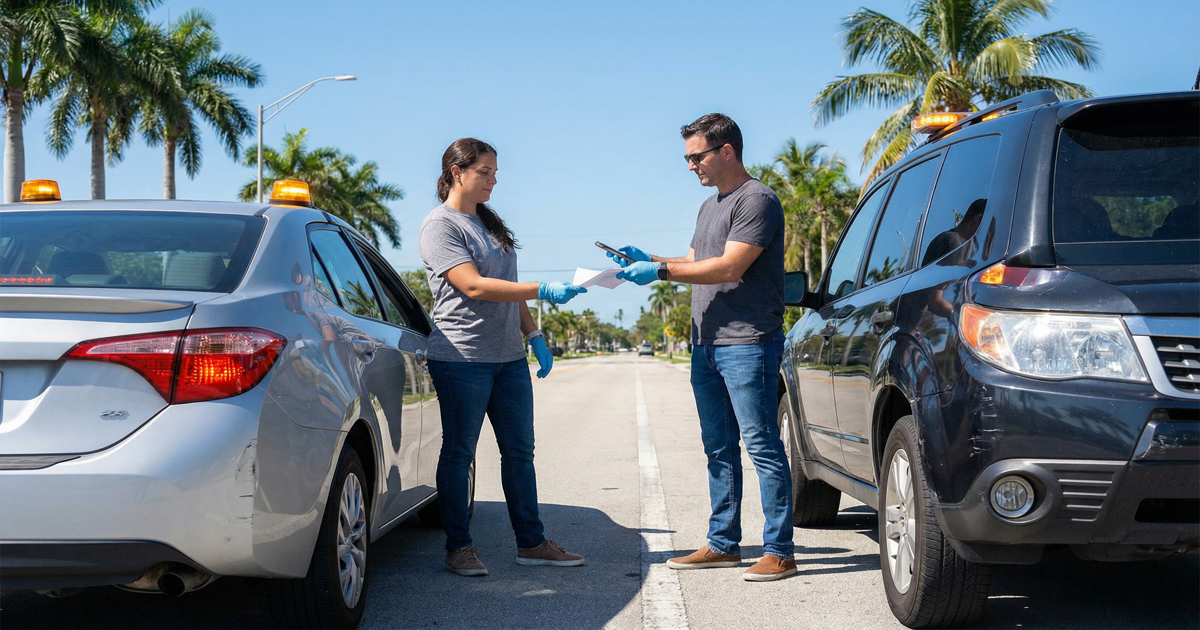
Immediately after a car accident in Florida, prioritize safety by moving to a secure location if possible and checking for injuries. Contact 911 if there are injuries or significant property damage. Exchange essential information with other involved parties and gather evidence at the scene. Promptly notify your insurance company to initiate the claims process.
What are the immediate steps to ensure safety after a car accident in Florida?
The immediate steps to ensure safety after a car accident in Florida involve protecting yourself and others from further harm. If your vehicle is operable and it is safe to do so, move it to the side of the road or another secure area away from traffic. Activate your hazard lights to alert oncoming drivers to the situation. If moving the vehicle is not possible or safe, remain inside with your seatbelt fastened until emergency services arrive. Checking for injuries among all occupants is crucial, and if anyone is hurt, call 911 without delay to request medical assistance and police presence [1, 2].
When should you contact law enforcement after a car accident in Florida?
You should contact law enforcement immediately after a car accident in Florida if the crash involves injuries, fatalities, or property damage estimated at $500 or more [1]. Florida Statute 316.065 mandates reporting such incidents to local law enforcement. The police will respond to the scene, assess the situation, and typically generate an official accident report. This report is a vital document for insurance claims and any potential legal proceedings that may follow. Even if injuries seem minor at first, it is often prudent to involve law enforcement to ensure an objective record of the event [1, 2].
What information should you exchange with other drivers involved in a Florida car accident?
After a Florida car accident, you should exchange specific information with all other drivers involved to facilitate insurance claims and legal processes. This typically includes their full name, current address, and contact telephone number. Additionally, obtain their driver’s license number, vehicle license plate number, and the name of their insurance company along with their policy number. Note the make, model, and color of all vehicles involved in the collision. Gathering this comprehensive data helps ensure that all parties can be properly identified and contacted for subsequent steps [2].
Why is gathering evidence at the accident scene important in Florida?
Gathering evidence at the accident scene is important in Florida because it provides crucial support for insurance claims and potential legal actions. Documenting the scene thoroughly helps establish the circumstances of the crash and can corroborate your account of events. Use your smartphone to take multiple photographs and videos of vehicle damage from various angles, the overall accident location including road conditions, traffic signs, and any skid marks. Capture images of any visible injuries sustained. If there are witnesses, try to obtain their contact information and a brief statement. These details can be invaluable in determining fault and securing fair compensation [2].
When should you seek medical attention after a car accident in Florida?
You should seek medical attention as soon as possible after a car accident in Florida, even if you do not immediately feel seriously injured. Some common car accident injuries, such as whiplash, concussions, or internal injuries, may not present immediate symptoms but can develop into serious conditions if left untreated. A medical evaluation creates an official record of your injuries, which is essential for any personal injury claim. Florida law often requires individuals to seek medical treatment within 14 days of an accident to qualify for Personal Injury Protection (PIP) benefits [2].
How does Florida’s no-fault insurance system affect car accident claims?
Florida operates under a no-fault insurance system, which means your own insurance policy, specifically your Personal Injury Protection (PIP) coverage, typically covers your medical expenses and certain economic losses regardless of who caused the accident. This system aims to streamline the process for minor injuries by reducing the need to determine fault immediately. However, if your injuries are significant or exceed the limits of your PIP coverage, you may be able to pursue a claim against the at-fault driver’s insurance for additional damages. Understanding these nuances is crucial for navigating car accident claims in Florida [2].
What records should you keep after a car accident in Florida?
After a car accident in Florida, you should keep detailed records of all documents and communications related to the incident. This includes copies of the police report, all medical records and bills for any treatment received, and estimates or receipts for vehicle repairs. Maintain a log of all correspondence with insurance companies, including dates, times, and summaries of conversations. Also, keep track of any other expenses incurred due to the accident, such as lost wages or transportation costs. Organized records are vital for supporting your claim and ensuring you receive appropriate compensation [2].
When should you consider hiring a personal injury attorney in Florida?
You should consider hiring a personal injury attorney in Florida if you have sustained significant injuries, encounter disputes with your insurance company, or if the accident involves complex liability issues. An experienced attorney can provide valuable legal guidance, help you understand your rights, and navigate the complexities of Florida’s car accident laws. They can assist in gathering evidence, negotiating with insurance adjusters, and representing your interests in court if necessary. Consulting an attorney can help ensure you receive fair compensation for your injuries and losses, especially when dealing with serious or long-term impacts from the accident [2].
Key Takeaways
- Prioritize safety and check for injuries immediately after a crash.
- Contact law enforcement for accidents involving injury, death, or significant property damage.
- Exchange contact and insurance information with all involved parties.
- Document the accident scene with photos and witness information.
- Seek medical attention promptly, even for seemingly minor injuries.
- Understand Florida’s no-fault insurance system and PIP benefits.
- Maintain thorough records of all accident-related documents and expenses.
- Consider legal counsel for significant injuries or complex claims.
FAQ
What is the first thing I should do after a car accident in Florida?
The first thing you should do after a car accident in Florida is to ensure the safety of everyone involved. Move your vehicle to a safe location if possible and turn on hazard lights. Check yourself and any passengers for injuries. If injuries are apparent or if the vehicle cannot be moved safely, remain in place and call 911 immediately to report the accident and request emergency medical services and police assistance. Your primary concern should always be the well-being of those involved.
Do I have to report a car accident to the police in Florida?
Yes, you are required to report a car accident to the police in Florida if it results in injury, death, or property damage exceeding $500. Florida Statute 316.065 outlines these reporting requirements. Even for less severe accidents, obtaining a police report can be beneficial for insurance purposes, as it provides an official, unbiased account of the incident. Failing to report an accident when required can lead to legal consequences.
How long do I have to seek medical treatment after a car accident in Florida?
In Florida, it is generally recommended to seek medical treatment within 14 days of a car accident to be eligible for Personal Injury Protection (PIP) benefits. While you can seek treatment later, delaying care may make it more challenging to link your injuries directly to the accident, potentially impacting your claim. Prompt medical attention ensures your health is addressed and creates a clear record of your injuries, which is crucial for any insurance or legal proceedings.
What is Personal Injury Protection (PIP) in Florida?
Personal Injury Protection (PIP) is a mandatory component of auto insurance in Florida, designed to cover medical expenses and lost wages for you and your passengers, regardless of who was at fault for the accident. PIP typically covers 80% of reasonable medical expenses and 60% of lost wages, up to a maximum of $10,000. This no-fault system allows individuals to receive prompt medical care without waiting for fault to be determined, though there are specific requirements for its application.
Can I still file a claim if I was partially at fault for a car accident in Florida?
Yes, you can still file a claim if you were partially at fault for a car accident in Florida due to the state’s comparative negligence laws. Florida follows a modified comparative negligence rule, meaning your compensation may be reduced by your percentage of fault. For example, if you are found 20% at fault, your recoverable damages would be reduced by 20%. An attorney can help assess your case and determine the potential impact of comparative negligence on your claim.
Need Legal Guidance After a Florida Car Accident?
Navigating the aftermath of a car accident can be overwhelming, especially when dealing with injuries, insurance claims, and legal procedures. Understanding your rights and obligations under Florida law is crucial. If you find yourself in this challenging situation, seeking professional legal advice can provide clarity and support. An experienced personal injury attorney can help you understand the complexities of your case and guide you through each step.
Contact Gagliano Law, PLLC Today
If you or a loved one has been involved in a car accident in Florida and need legal assistance, the dedicated team at Gagliano Law, PLLC is here to help. Attorney Amanda Gagliano and her firm are committed to protecting your rights and pursuing the compensation you deserve. Contact us today for a consultation to discuss your specific situation. Call 813-444-9724 or visit our contact page at https://lawgagliano.com/contact/.
Disclaimer: This article provides general information and is not intended as legal advice. The information provided should not be considered a substitute for professional legal counsel. For advice on your specific situation, please consult with a qualified attorney.
References
[1] Florida Highway Safety and Motor Vehicles. “Involved in a Crash?” https://www.flhsmv.gov/insurance/involved-in-a-crash/ [2] High Stack Law. “What to Do After a Car Accident in Florida: A Step-by-Step Guide.” https://www.highstacklaw.com/what-to-do-after-a-car-accident-in-florida-a-step-by-step-guide/
Related Posts