
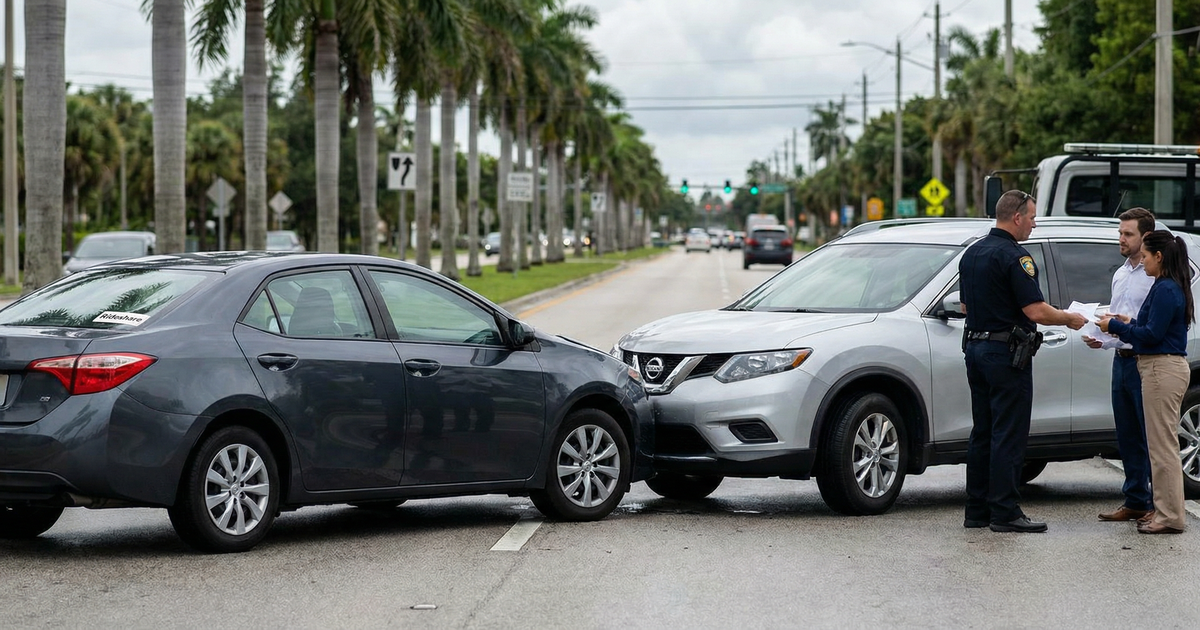
Rideshare services like Uber and Lyft have transformed transportation, offering convenience to millions. However, when accidents occur involving these vehicles, the legal and insurance landscape can become significantly more complex than a typical car crash. Understanding these distinctions is crucial for anyone involved in such an incident, especially in a state like Florida with its specific regulations. This article explores the key differences, focusing on insurance, liability, and Florida-specific laws that impact rideshare accident claims.
Direct Answer: Rideshare accidents involve unique complexities compared to regular car accidents, primarily due to the tiered insurance policies of companies like Uber and Lyft, and the intricate process of determining liability. These cases often require navigating specific state regulations, such as Florida Statute §627.748, which outlines insurance requirements based on the rideshare driver’s app status, making the legal process distinct.
How does insurance coverage differ in rideshare accidents compared to regular car accidents?
Direct Answer: Insurance coverage in rideshare accidents is significantly more complex than in regular car accidents, involving a tiered system that depends on the rideshare driver’s status at the time of the incident. While personal auto insurance typically covers regular accidents, rideshare companies provide supplemental commercial policies that activate under specific conditions, often leaving gaps in coverage.
Supporting Explanation: In Florida, all drivers are required to carry Personal Injury Protection (PIP) insurance, which covers medical expenses regardless of fault [1]. However, for rideshare drivers, their personal auto insurance policy may deny claims if they were operating for commercial purposes. Rideshare companies like Uber and Lyft offer their own insurance policies, but these policies have different coverage limits and applicability depending on whether the driver was offline, logged into the app awaiting a request, en route to pick up a passenger, or actively transporting a passenger. Florida Statute §627.748 specifically addresses this tiered insurance system, outlining the minimum coverage requirements for each phase of rideshare operation [2]. This can create confusion and disputes over which policy is primary and which is secondary, making claims more challenging than standard car accident claims. For instance, if a driver is logged into the app but has not yet accepted a ride, Uber’s insurance might provide limited coverage, typically $50,000 in bodily injury liability per person and $100,000 per accident, and $25,000 in property damage liability [3].
How is liability determined in rideshare accident cases?
Direct Answer: Determining liability in rideshare accident cases is often more intricate than in traditional car accidents due to the involvement of multiple parties, including the rideshare driver, the rideshare company, and potentially other drivers. The specific circumstances of the accident, particularly the driver’s activity on the rideshare app, play a crucial role in assigning fault and identifying responsible insurers.
Supporting Explanation: In a regular car accident, liability typically falls on the at-fault driver. However, with rideshare accidents, the question of who is liable can extend to the rideshare company itself. If the rideshare driver was actively transporting a passenger or en route to pick one up, the rideshare company’s substantial commercial insurance policy (often $1 million in liability coverage) typically applies [3]. If the driver was logged into the app but awaiting a request, a lower level of coverage from the rideshare company might be available, or the driver’s personal insurance might be primarily responsible. When the driver is offline, only their personal insurance applies. Proving negligence and navigating these different insurance tiers requires a thorough investigation and understanding of both personal injury law and rideshare company policies, often necessitating legal expertise to ensure all responsible parties are identified. For example, if a rideshare driver causes an accident while actively transporting a passenger, the rideshare company’s $1 million liability policy would likely be the primary source of compensation for injuries and damages.
What are the key legal distinctions in pursuing a claim after a rideshare accident?
Direct Answer: Pursuing a claim after a rideshare accident involves distinct legal considerations compared to a regular car accident, primarily due to the corporate structure of rideshare companies and the specific statutes governing their operations. These cases often require a deeper understanding of commercial insurance policies, vicarious liability, and the interplay between personal and commercial coverage.
Supporting Explanation: In a standard car accident, the legal process generally involves dealing with the at-fault driver’s personal insurance company. However, rideshare accidents introduce a third-party corporation, Uber or Lyft, into the equation. This means claimants may need to pursue compensation from the rideshare company’s insurance, which operates under different rules and often has more resources to defend against claims. Additionally, specific state laws, such as Florida’s regulations concerning rideshare operations, dictate the minimum insurance coverage and liability frameworks. Understanding these legal nuances, including the concept of vicarious liability (where the rideshare company might be held responsible for the driver’s actions), is critical. The legal strategy for a rideshare accident claim often involves meticulous evidence gathering, detailed analysis of the driver’s app status, and skilled negotiation with multiple insurance carriers, which can be significantly more complex than a typical car accident claim. An internal link to Gagliano Law’s personal injury page could be helpful here: Personal Injury Claims.
How do Florida laws specifically impact rideshare accident claims?
Direct Answer: Florida laws significantly impact rideshare accident claims by establishing a no-fault insurance system and, more specifically, by enacting Florida Statute §627.748, which creates a tiered insurance structure for rideshare operations. This statute dictates the applicable insurance coverage based on the rideshare driver’s status at the time of the collision.
Supporting Explanation: As a no-fault state, Florida requires all drivers to carry Personal Injury Protection (PIP) insurance, which covers a portion of medical expenses and lost wages regardless of who caused the accident [1]. This applies to rideshare drivers and passengers as well. However, Florida Statute §627.748 specifically addresses the unique insurance landscape of rideshare companies [2]. It mandates different levels of liability and uninsured/underinsured motorist coverage depending on whether the driver is: (1) offline, (2) logged into the app but awaiting a ride request, or (3) actively engaged in a prearranged ride (en route to pick up or transporting a passenger). This tiered system means that the available insurance coverage can vary dramatically, from the driver’s personal policy to the rideshare company’s commercial policy. Understanding the specifics of this Florida statute is paramount for anyone involved in a rideshare accident, as it directly influences which insurance policies can be tapped for compensation and the overall legal strategy. For example, if a driver is offline, only their personal insurance applies, which may not be sufficient to cover severe injuries.
Key Takeaways
- Rideshare accidents involve a complex, tiered insurance system based on the driver’s app status.
- Liability determination can extend beyond the driver to include the rideshare company.
- Florida’s no-fault laws and specific rideshare statutes (e.g., §627.748) add unique layers of complexity.
- Personal auto insurance may not cover rideshare activities.
- Navigating rideshare accident claims often requires specialized legal knowledge.
FAQ
What should I do immediately after a rideshare accident in Florida?
Direct Answer: Immediately after a rideshare accident in Florida, ensure your safety and the safety of others, then contact emergency services if there are injuries. Exchange information with all involved parties, document the scene with photos and videos, and seek medical attention promptly. It is also crucial to report the accident to the rideshare company and contact a personal injury attorney experienced in rideshare cases.
Can I sue Uber or Lyft directly after an accident?
Direct Answer: Suing Uber or Lyft directly after an accident is possible, but the ability to do so often depends on the specific circumstances of the accident and the rideshare driver’s status at the time. While the rideshare company’s insurance policy may provide significant coverage, establishing direct liability against the company itself can be challenging and typically requires demonstrating negligence on their part, such as negligent hiring practices. For instance, if a rideshare company knowingly employs a driver with a history of reckless driving, and that driver causes an accident, there may be grounds to pursue a claim against the company directly.
Does my personal car insurance cover me in a rideshare accident?
Direct Answer: Your personal car insurance typically does not cover you when you are operating as a rideshare driver, as most personal policies exclude commercial activities. However, if you are a passenger, your personal health insurance or uninsured/underinsured motorist coverage might apply. For drivers, specialized rideshare insurance or the rideshare company’s policy would be the primary source of coverage. Many personal auto insurance policies explicitly state that they do not cover accidents that occur while the vehicle is being used for commercial purposes, including ridesharing.
What is Florida Statute §627.748 and how does it apply to rideshare accidents?
Direct Answer: Florida Statute §627.748 is a key law that specifically governs insurance requirements for transportation network companies (rideshare companies) and their drivers in Florida. It establishes a tiered insurance system, mandating different levels of coverage based on whether the driver is offline, logged in and awaiting a request, or actively engaged in a prearranged ride. This statute is crucial for determining which insurance policy applies after a rideshare accident.
How long do I have to file a rideshare accident claim in Florida?
Direct Answer: In Florida, the statute of limitations for personal injury claims, including those arising from rideshare accidents, is generally two years from the date of the accident. This means you typically have two years to file a lawsuit to seek compensation for your injuries. However, it is always advisable to consult with an attorney as soon as possible, as delays can complicate evidence collection and impact your claim. For example, waiting too long can make it difficult to gather witness testimonies or obtain crucial evidence like dashcam footage.
Soft Call to Action: If you or a loved one has been involved in a rideshare accident, understanding your rights and the complexities of these claims is crucial. Seeking timely legal guidance can help ensure your interests are protected. Consider reaching out to a legal professional to discuss your specific situation and explore your options.
Final Call to Action: Navigating the aftermath of a rideshare accident requires specialized legal knowledge. For a comprehensive understanding of your options and dedicated representation, contact Gagliano Law, PLLC today at 813-444-9724 or visit us at https://lawgagliano.com/contact/.
Disclaimer: This article is for informational purposes only and does not constitute legal advice. Every case is unique, and you should consult with a qualified attorney for advice regarding your specific situation.
References
[1] Florida Statutes §627.736, Personal Injury Protection. Available at: http://www.leg.state.fl.us/Statutes/index.cfm?App_mode=Display_Statute&URL=0600-0699/0627/Sections/0627.736.html [2] Florida Statute §627.748, Transportation network company coverage. Available at: http://www.leg.state.fl.us/Statutes/index.cfm?App_mode=Display_Statute&URL=0600-0699/0627/Sections/0627.748.html [3] Uber Insurance Policy. Available at: https://www.uber.com/us/en/drive/insurance/
Related Posts