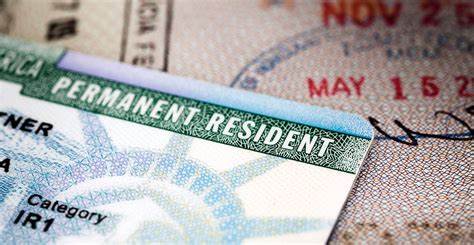
Helping Individuals and Families Obtain Permanent Residency in the U.S.
A green card grants lawful permanent residency in the United States, allowing individuals to live and work indefinitely. It is a crucial step for those seeking long-term stability, career opportunities, and a pathway to U.S. citizenship.
Gagliano Law, PLLC, assists individuals, families, and employers with employment-based, family-based, and other green card processes, ensuring compliance with U.S. federal immigration laws and guiding applicants through every stage of the process.
What Is a Green Card?
A green card (Permanent Resident Card) allows foreign nationals to legally live, work, and travel in and out of the U.S. without needing a visa. Green card holders enjoy many of the same rights as U.S. citizens, except they cannot vote in federal elections.
Types of Green Cards
Green cards are available through various pathways, including:
1. Employment-Based Green Cards (EB Categories)
Professionals, skilled workers, and investors may qualify for a green card through employment sponsorship:
- EB-1: For individuals with extraordinary ability, outstanding professors/researchers, and multinational executives
- EB-2: For professionals with advanced degrees or exceptional ability (including National Interest Waivers)
- EB-3: For skilled workers, professionals, and other workers
- EB-4: For religious workers, translators, and certain special immigrants
- EB-5: For investors who create jobs in the U.S. (minimum investment required)
2. Family-Based Green Cards
U.S. citizens and permanent residents can sponsor certain family members for a green card:
- Immediate relatives (spouse, parents, and unmarried children under 21)
- Family preference categories (siblings, married children, and adult children of U.S. citizens or green card holders)
3. Humanitarian Green Cards
Special immigration programs exist for individuals seeking protection, including:
- Asylum or refugee status
- Victims of crimes (U visa) or human trafficking (T visa)
- Violence Against Women Act (VAWA) petitions for abused spouses, children, or parents of U.S. citizens
4. Diversity Visa (Lottery-Based Green Cards)
Each year, the U.S. government issues Diversity Visas (DV Lottery) to individuals from countries with low rates of U.S. immigration. Selection is random, and only eligible applicants can apply.
The Green Card Application Process
The steps to obtain a green card vary based on the category, but the general process includes:
1. Determine Eligibility
Applicants must confirm they qualify under an employment-based, family-based, humanitarian, or investment category before starting the process.
2. File the Appropriate Petition
- Employment-based applicants: Employer files Form I-140 (Immigrant Petition for Alien Worker)
- Family-based applicants: U.S. citizen or green card holder files Form I-130 (Petition for Alien Relative)
- Investors: File Form I-526 (Immigrant Petition by Investor)
3. Wait for Visa Availability (If Required)
Some green card categories are subject to annual limits, meaning applicants may need to wait for their priority date to become current before proceeding.
4. Adjustment of Status or Consular Processing
- If already in the U.S., applicants may file Form I-485 (Adjustment of Status) to transition from a visa to a green card.
- If outside the U.S., applicants complete consular processing at a U.S. embassy.
5. Attend Biometrics and Green Card Interview
Applicants must provide fingerprints, photos, and signatures for background checks and attend an interview with a USCIS officer.
6. Receive the Green Card
If approved, the applicant receives a physical green card, granting permanent residency.
Green Card Rights and Responsibilities
Green card holders enjoy several benefits, including:
- The right to live and work anywhere in the U.S.
- Protection under U.S. laws, including labor and employment protections
- The ability to sponsor certain family members for green cards
- Access to public education and healthcare benefits
- Eligibility to apply for U.S. citizenship after meeting residency requirements
However, green card holders must also:
- Maintain residency in the U.S. (extended absences can result in loss of status)
- File U.S. taxes and report worldwide income
- Obey all federal, state, and local laws
- Update USCIS with address changes
Processing Time and Premium Processing
Green card processing times vary based on visa category, USCIS workload, and country of origin. Some categories may take a few months, while others involve years of waiting due to visa backlogs.
Premium processing is available for some employment-based petitions but does not apply to I-485 adjustment of status applications.
Transitioning from a Green Card to U.S. Citizenship
Green card holders can apply for U.S. citizenship through naturalization after:
- Five years (three years if married to a U.S. citizen)
- Continuous residence and physical presence in the U.S.
- Passing English and civics exams
Inquiry Form