Diminished Value: Compensation for Your Vehicle’s Loss of Value

Diminished Value Claims: Recovering Your Car’s Lost Worth After an Accident

When people think about car accidents, they often focus on personal injury claims and medical expenses. However, many overlook another significant financial loss—the diminished value of their vehicle. If your car is repairable and the accident was not your fault, you may be eligible to file a diminished value claim to recover the lost value of your car.

What is Diminished Value?

Diminished value refers to the difference in your car’s worth before and after an accident, even after repairs are completed. For example, if your car was worth $100,000 before an accident and $75,000 after the accident, the diminished value is $25,000.

Even if your car looks as good as new after repairs, accident history reports (such as CarFax) can significantly reduce its resale or trade-in value. Buyers are often hesitant to purchase a previously damaged vehicle, and dealerships may offer thousands of dollars less than your car’s pre-accident value.

Why Should You File a Diminished Value Claim?

If another driver was at fault for your accident, their insurance company may be responsible for compensating you for your vehicle’s lost value. Filing a diminished value claim ensures that you are not left absorbing the financial burden of an accident you did not cause.

Some state laws allow accident victims to pursue diminished value compensation from the at-fault driver’s insurance provider. This can help offset financial losses when you decide to sell or trade in your car.

How to File a Diminished Value Claim

1. Prove That the Accident Was Not Your Fault

A diminished value claim is only valid if the accident was caused by another driver. Collect evidence such as:

  • Police reports
  • Witness statements
  • Accident scene photos

2. Get a Professional Diminished Value Appraisal

Insurance companies will not automatically offer diminished value compensation—you must prove your losses. Hire a professional appraiser to determine your vehicle’s value before and after the accident.

3. File a Claim with the At-Fault Driver’s Insurance Company

Submit your diminished value claim along with:

  • The appraisal report
  • Proof that the accident wasn’t your fault
  • Receipts for repair work completed on your vehicle

4. Negotiate with the Insurance Company

Insurance companies may try to deny or reduce your claim, arguing that your car’s value hasn’t changed significantly. This is why having a strong appraisal report and legal representation can make a huge difference in securing fair compensation.

Factors That Affect Diminished Value Compensation

Not every car qualifies for the same diminished value amount. Several factors can influence your claim, including:

  • Vehicle Age – Newer cars tend to lose more value after an accident compared to older models.
  • Make and Model – Luxury and high-performance cars suffer greater value losses than economy vehicles.
  • Accident Severity – The more extensive the damage, the greater the lost value.
  • Mileage – Low-mileage cars typically have higher diminished value claims.
  • Number of Previous Accidents – If your car has been in multiple accidents, insurance companies may offer less compensation.

Common Myths About Diminished Value Claims

Myth 1: Insurance Companies Automatically Pay for Diminished Value

False. You must file a claim and prove the loss with proper documentation.

Myth 2: Only Luxury Cars Qualify for Diminished Value Claims

False. Any vehicle that loses market value due to an accident may qualify for compensation.

Myth 3: If My Car is Repaired Perfectly, It Won’t Lose Value

False. Even with flawless repairs, a car with an accident history is worth less than one with a clean record.

FAQs About Diminished Value Claims

1. Can I file a diminished value claim if I was at fault for the accident?

No. Diminished value claims are only available to victims of accidents caused by another driver.

2. How long do I have to file a diminished value claim?

The statute of limitations for personal injury claims and diminished value cases resulting from car accidents varies from state to state, so it’s important to consult with an attorney to understand the specific deadlines that apply to your case.

3. How much compensation can I get for diminished value?

The amount varies depending on your vehicle’s age, make, accident history, and repair quality. A professional appraisal is the best way to determine your claim’s value.

4. Will filing a diminished value claim increase my insurance premiums?

No. Since you are filing a claim against the at-fault driver’s insurance, your own rates will not be affected.

5. What if the insurance company denies my claim?

If your claim is denied or undervalued, you may need to hire an attorney to negotiate on your behalf.

6. Can I file a diminished value claim if I leased my vehicle?

Possibly. Some lease agreements allow diminished value claims, but you may need to review your contract to confirm.

7. Do I need a lawyer for a diminished value claim?

While not required, having a lawyer can significantly improve your chances of getting fair compensation, especially if the insurance company tries to lowball or deny your claim.

Get the Compensation You Deserve

If you’ve been in an accident and your car has lost value—even after repairs—you may be leaving thousands of dollars on the table by not filing a diminished value claim. Don’t let insurance companies take advantage of you.

Call our office today for a free consultation! Let’s review your case and determine if you’re entitled to diminished value compensation.

Wrongful Death in Rehabilitation Centers – Seeking Justice for Your Loved One

When a loved one enters a rehabilitation center, families place their trust in the facility to provide safe, professional, and compassionate care. Unfortunately, some rehab centers fail in their duty, leading to preventable tragedies. If your family has experienced such a loss, you have the right to hold the negligent facility accountable.

At Gagliano Law, PLLC, we are committed to seeking justice for families who have lost loved ones due to rehab center negligence. If your loved one passed away under suspicious or preventable circumstances, you may have grounds for a wrongful death claim.

Understanding Wrongful Death in Rehab Facilities

Rehabilitation centers should be safe environments where individuals receive proper care, supervision, and medical attention. However, lapses in care can lead to serious injuries and fatalities. Some of the most common causes of wrongful death in rehab facilities include:

1. Medical Negligence

Rehab centers must provide proper medical care for individuals undergoing detox, withdrawal, or mental health treatment. Some fatal medical errors include:

  • Failure to provide essential medical care
  • Improper medication management
  • Delayed or inadequate emergency response

2. Overdose Due to Poor Monitoring

Many individuals in rehab centers are recovering from substance addiction and require strict detox protocols. A lack of proper monitoring can result in:

  • Patients accessing drugs or alcohol inside the facility
  • Wrongful administration of medication
  • Failure to respond to overdose symptoms in time

3. Neglect and Abuse

Rehab facilities must maintain a clean, safe, and supportive environment. Sadly, some facilities fail to provide basic necessities, leading to:

  • Unsanitary living conditions
  • Malnutrition and dehydration
  • Physical or emotional abuse by staff

4. Suicide Due to Lack of Mental Health Interventions

Many patients in rehab centers struggle with mental health conditions, including depression and suicidal thoughts. Facilities are responsible for implementing safety measures such as:

  • Supervision and crisis response plans
  • Access to professional mental health care
  • Suicide prevention protocols

Failure to provide these essential services can lead to devastating and preventable losses.

How Gagliano Law, PLLC Can Help

If you suspect negligence or wrongdoing played a role in your loved one’s death, our team is here to help. We provide comprehensive legal representation to families seeking justice and financial compensation for their loss.

Our Legal Approach

  • Comprehensive Case Evaluation
    We thoroughly review medical records, facility policies, and witness statements to determine the cause of death and liability.

  • Aggressive Legal Representation
    We hold negligent rehab centers accountable for failing to provide the level of care expected under the law.

  • Compassionate Support
    Losing a loved one is devastating. Our attorneys offer personalized legal guidance, ensuring you have the support and advocacy you need.

Justice & Compensation for Families

Filing a wrongful death claim is not just about financial recovery—it’s about exposing negligence and preventing future tragedies. Compensation may cover:

✔ Funeral and burial expenses
✔ Medical costs incurred before death
✔ Loss of companionship and emotional distress
✔ Punitive damages for gross negligence

Frequently Asked Questions (FAQs)

1. What qualifies as wrongful death in a rehab center?

Wrongful death occurs when negligence, neglect, or abuse leads to a preventable death. This includes medical errors, overdose, lack of supervision, or abuse by staff.

2. How do I know if my loved one’s death was due to negligence?

If your loved one’s death was sudden, unexplained, or involved unsafe conditions, it’s worth investigating further. A legal review of medical records and facility practices can help determine if negligence played a role.

3. Who can file a wrongful death lawsuit?

In most cases, a spouse, child, or other immediate family member can file a wrongful death claim. If there are no immediate family members, an estate representative may file on behalf of surviving relatives.

4. What kind of evidence is needed to prove wrongful death?

Key evidence includes:

  • Medical records and treatment history
  • Facility incident reports
  • Witness testimonies from staff or other residents
  • Expert medical and forensic analysis

5. Can a rehab facility be sued for suicide?

Yes, if the facility failed to provide proper supervision, mental health care, or crisis intervention, they may be held liable for a preventable suicide.

6. How long do I have to file a wrongful death claim?

The statute of limitations for wrongful death lawsuits varies by state. In some states, families typically have two years from the date of death to file a claim.

7. How much does it cost to hire an attorney for a wrongful death case?

At Gagliano Law, PLLC, we work on a contingency fee basis—this means you pay nothing upfront. We only get paid if we win your case.

Contact Us Today – Your Fight for Justice Starts Now

If your loved one died due to negligence or abuse at a rehab facility, you don’t have to face this fight alone. Gagliano Law, PLLC is here to provide the legal support and advocacy your family deserves.

Call us today for a free consultation. Let us help you take the first step toward justice and hold negligent rehab centers accountable.


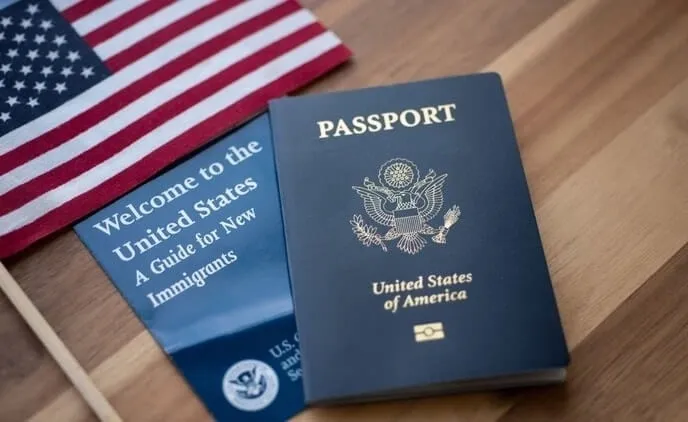
Green Card and Permanent Residency: Your Path to Living in the U.S.

Becoming a lawful permanent resident in the United States is an exciting and life-changing step. A Green Card allows individuals to live and work in the U.S. indefinitely, with the potential to apply for U.S. citizenship in the future. The process can be complex, but with the right guidance, you can successfully navigate the immigration system.

Our team provides legal assistance for various Green Card categories, including employment-based, family-sponsored, and investment-based visas.

Employment-Based Green Cards

If you have specialized skills, advanced degrees, or exceptional abilities, you may be eligible for an employment-based Green Card. These are some of the most common pathways:

  • EB-1 Visa (Extraordinary Ability Green Card) – For individuals with exceptional achievements in their field, such as award-winning scientists, artists, athletes, or executives.
  • EB-2 NIW (National Interest Waiver) – For professionals whose work greatly benefits the U.S., allowing them to apply without employer sponsorship.
  • EB-5 Visa (Investment-Based Green Card) – For investors who create jobs and make a significant financial contribution to the U.S. economy.

Family-Sponsored Green Cards

Family reunification is a key part of U.S. immigration law. U.S. citizens and lawful permanent residents can sponsor their spouses, parents, children, and siblings for a Green Card. The process requires proof of family relationships, financial sponsorship, and an application through USCIS.

Adjustment of Status vs. Consular Processing

If you are already in the U.S., you may be eligible for Adjustment of Status, which allows you to apply for a Green Card without leaving the country. If you are outside the U.S., you must apply through Consular Processing, attending an interview at a U.S. embassy or consulate in your home country.

EB-5 Visa: Investment-Based Green Card

The EB-5 visa is designed for investors who want to obtain permanent residency through significant capital investment in the U.S. economy. To qualify, you must:

  • Invest at least $800,000 to $1,050,000, depending on the location of your investment.
  • Create or preserve at least 10 full-time jobs for U.S. workers.
  • Successfully file an I-526 petition and later an I-829 petition to remove conditions on residency.

This option is ideal for entrepreneurs, business owners, and international investors looking for a path to U.S. residency.

EB-1 Visa: Green Card for Individuals with Extraordinary Ability

The EB-1 Green Card is a prestigious immigration option for individuals with extraordinary ability in science, education, business, athletics, or the arts. This category is highly selective and requires strong evidence, such as:

  • International awards or industry recognition
  • Published work in major media or academic journals
  • Leadership roles in prominent organizations

One of the key benefits of the EB-1 visa is that it allows self-petitioning, meaning you don’t need an employer to sponsor you.

EB-2 NIW: National Interest Waiver for Advanced Professionals

The EB-2 National Interest Waiver (NIW) allows individuals with advanced degrees or exceptional abilities to apply for a Green Card without a job offer. To qualify, you must prove that your work benefits the United States in fields such as:

  • Science & technology
  • Healthcare & medical research
  • Entrepreneurship & business innovation

This category is ideal for researchers, entrepreneurs, and professionals whose work has a substantial impact on the U.S. economy or society.

Start Your Green Card Journey Today

Securing a Green Card is a major milestone toward a better future in the United States. Whether you are applying through employment, family sponsorship, or investment, our team is here to guide you every step of the way.

Contact us today for a free consultation! Let’s make your dream of permanent residency a reality.

Green Card FAQs

1. How long does it take to get a Green Card?

The processing time depends on the type of Green Card you apply for. Employment-based Green Cards may take a few months to several years, while family-sponsored Green Cards vary based on visa availability and country of origin.

2. Can I work while waiting for my Green Card?

If you are applying from within the U.S. through Adjustment of Status, you can apply for a work permit (EAD) while your case is pending. Those applying from outside the U.S. must wait for visa approval before working.

3. What is the difference between a Green Card and U.S. citizenship?

A Green Card grants permanent residency, while U.S. citizenship allows you to vote, hold a U.S. passport, and access additional benefits. Most Green Card holders can apply for citizenship after five years (or three years if married to a U.S. citizen).

4. Can my family members also get a Green Card through my application?

Yes. Many Green Card categories allow you to include your spouse and unmarried children under 21 in your application.

5. Do I need a job offer to apply for a Green Card?

Not always. Family-sponsored and investment-based Green Cards do not require a job offer. Some employment-based categories, like EB-1 and EB-2 NIW, allow self-petitioning without employer sponsorship.

6. Can my Green Card be revoked?

Yes. A Green Card can be revoked if you commit a serious crime, abandon residency by living outside the U.S. for too long, or commit fraud during the application process.

7. Do I need an immigration lawyer to apply for a Green Card?

While it’s possible to apply on your own, immigration law is complex, and errors can result in delays or denial. A lawyer can help ensure your application is accurate, complete, and properly documented.


Three Things to Do When You Get Into A Car Accident!

What to Do After a Car Accident: A Step-by-Step Guide

A car accident can be a stressful and overwhelming experience, but knowing what to do in the moments that follow can protect your health, finances, and legal rights. Whether it’s a minor fender bender or a major collision, following these steps can make a significant difference in handling insurance claims, medical treatment, and legal action.

1. Call the Police Immediately

The first thing you should do after a car accident is call 911. No matter how minor the accident seems, having a police report is crucial for insurance claims and legal cases.

When calling the emergency operator, provide:

  • Your exact location (street name, intersection, or landmarks)
  • Details about the accident (number of vehicles involved, injuries, road hazards)
  • Whether medical assistance is needed

Once the police arrive, they will:

  • Assess the scene and determine what happened
  • Speak to witnesses and document their statements
  • Draft an official police report, which will serve as key evidence

Never agree to settle the accident privately without calling the police. Without an official record, proving fault and obtaining compensation could become difficult.

2. Take Plenty of Photos and Videos

Before vehicles are moved, document everything at the scene. This evidence can be vital for insurance claims and legal action.

Be sure to take clear, high-quality photos of:
✔ All vehicles involved (including license plates)
✔ Damage to your car and other vehicles
✔ Skid marks, road signs, and traffic lights
✔ Debris, road hazards, or any other important details
✔ Your injuries and any injuries to passengers

Videos can also be useful, especially if there’s disagreement about fault. Save your photos in cloud storage to prevent accidental loss.

3. Seek Medical Attention – Even If You Feel Fine

Even if you feel fine, always get checked by a doctor. Some injuries, such as whiplash, concussions, and internal injuries, may not show symptoms right away. Seeking medical care immediately can:

  • Ensure hidden injuries are detected early
  • Strengthen your injury claim if symptoms appear later
  • Provide necessary documentation for your case

Delaying treatment could not only affect your health but also give insurance companies a reason to deny your claim.

4. Exchange Information With the Other Driver

After ensuring safety, exchange the following information with the other driver:

  • Full name and contact details
  • Driver’s license number
  • Vehicle make, model, and color
  • Insurance company name and policy number

Avoid discussing who was at fault or making statements like “I’m sorry”—even if you feel responsible. These statements can be used against you later.

5. Contact an Attorney Right Away

Once the police leave the scene and you have the driver’s exchange and police report, call an experienced car accident attorney.

An attorney can help you:

  • File a personal injury claim and ensure you receive fair compensation
  • Access medical care from trusted providers
  • Connect with reputable auto body shops for car repairs
  • Assist in obtaining a rental car while your vehicle is being repaired
  • Negotiate with insurance companies to prevent lowball settlement offers

At Gagliano Law, PLLC, Attorney Amanda Gagliano works closely with medical providers, auto body shops, and insurance adjusters to help clients recover from accidents.

Contact Gagliano Law, PLLC Today

Being in a car accident is stressful, but you don’t have to navigate the aftermath alone. Let Gagliano Law, PLLC handle the legal aspects so you can focus on your recovery.

Call 813-444-9724 today for a free consultation! We’re ready to fight for the compensation you deserve.

Frequently Asked Questions (FAQs)

1. What should I do immediately after a car accident

  • Ensure everyone’s safety. Move to a safe location if possible, but do not leave the scene of the accident.
  • Call 911 to report the accident and request medical assistance if needed.
  • Exchange contact and insurance information with the other driver(s).
  • Take photos of the scene, vehicle damage, and any visible injuries.
  • Gather witness information if there are any bystanders.
  • Contact a personal injury attorney.

2. What should I do if the other driver doesn’t have insurance?

If the at-fault driver is uninsured, you may still be able to recover damages through your own uninsured/underinsured motorist coverage. A lawyer can help you explore your legal options.

3. What if the other driver leaves the scene?

Leaving the scene of an accident is considered a hit-and-run, which is illegal. Call 911 immediately and provide any details you remember, such as the car’s make, model, color, or license plate number.

4. How long do I have to file an accident claim?

In some states, the statute of limitations for filing a personal injury claim after a car accident is two years from the date of the accident. However, it’s best to act as soon as possible to gather evidence and strengthen your case.

5. Can I still get compensation if I was partially at fault?

It depends on the state’s laws, but some states follow a comparative negligence system, which means you can still recover damages even if you were partially at fault—but your compensation will be reduced based on your percentage of fault.

6. Will my insurance rates go up if I file a claim?

If you were not at fault, your insurance rates should not increase. However, if you file a claim under your own insurance policy, your provider may adjust your rates at renewal.

7. How much compensation can I receive after a car accident?

The amount varies based on medical bills, lost wages, property damage, and pain and suffering. A personal injury attorney can evaluate your case and help maximize your compensation.

8. Should I accept the first offer from the insurance company?

No! Insurance companies often offer low settlements to save money. Consult an attorney before accepting any offer to ensure you’re getting fair compensation.

9. What happens if I don’t see a doctor right away?

Delaying medical treatment could hurt both your health and your case. Insurance companies might argue that your injuries were not serious or were caused by something else.

10. Do I have to go to court for a car accident claim?

Most car accident claims are settled outside of court. However, if the insurance company refuses to offer a fair settlement, your attorney may take the case to trial.

11. How much does it cost to hire a car accident attorney?

At Gagliano Law, PLLC, we work on a contingency fee basis—meaning you pay nothing upfront. We only get paid if we win your case.

Our Videos