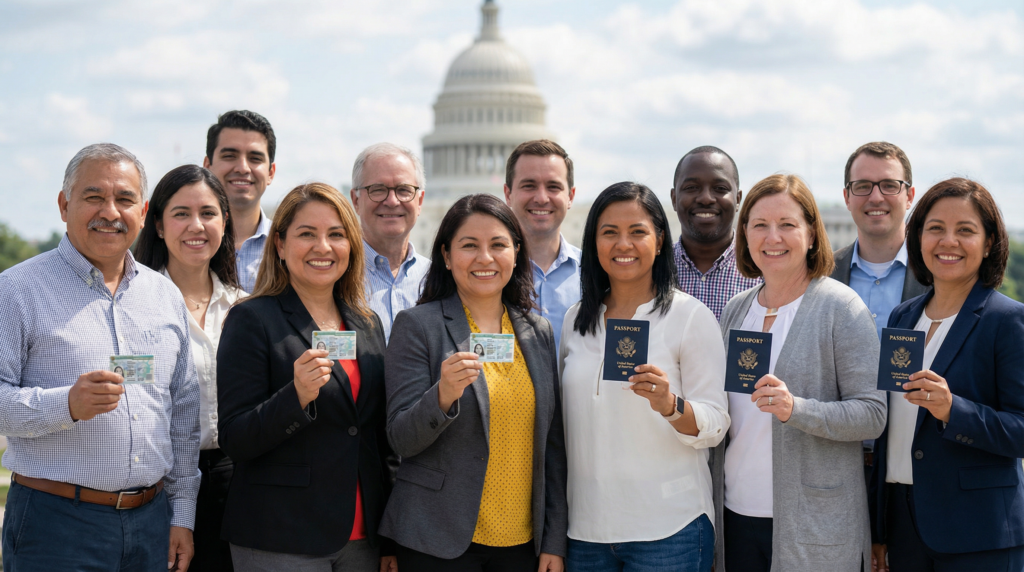
Transitioning from a Green Card to U.S. citizenship, also known as naturalization, involves several key steps and meeting specific eligibility criteria set by U.S. Citizenship and Immigration Services (USCIS). This process typically requires a period of lawful permanent residency, demonstrating good moral character, and passing civics and English tests. It culminates in an Oath of Allegiance, signifying full integration into the American civic community.
What are the Eligibility Requirements for Naturalization?
To be eligible for naturalization, you must typically be at least 18 years old and have held a Green Card for a certain period, usually five years. This period can be reduced to three years if you are married to a U.S. citizen and meet other specific conditions. You must also demonstrate continuous residence and physical presence in the United States during these periods. USCIS outlines these requirements in detail on their official website.
Beyond residency, applicants must show good moral character, which generally means adhering to U.S. laws and demonstrating a commitment to civic responsibilities. This includes paying taxes, avoiding certain criminal offenses, and upholding community standards. Understanding these criteria is crucial before beginning the application process. For more information on various immigration pathways, you can visit the Gagliano Law Immigration page.
What is the Application Process for U.S. Citizenship?
The application process for U.S. citizenship begins with filing Form N-400, Application for Naturalization, with USCIS. This comprehensive form requires detailed personal information, residency history, and background checks. It is essential to complete the form accurately and include all necessary supporting documentation, such as copies of your Green Card, marriage certificates if applicable, and travel records. Incomplete applications may lead to delays or rejection.
After submitting Form N-400, you will typically receive a receipt notice and then an appointment for biometrics, where your fingerprints, photograph, and signature are collected. These biometrics are used for background and security checks. The fees associated with the application must also be paid at the time of filing, unless you qualify for a fee waiver.
What Happens During the Naturalization Interview and Tests?
Following the biometrics appointment, eligible applicants will be scheduled for a naturalization interview with a USCIS officer. During this interview, the officer will review your N-400 application, ask questions about your eligibility, and verify the information provided. This is also when you will typically take the English and civics tests. The English test assesses your ability to read, write, and speak basic English. The civics test covers important facts about U.S. history and government.
To prepare for the civics test, USCIS provides study materials, including 100 civics questions and answers. Applicants are asked up to 10 questions and must answer 6 correctly to pass. Exemptions from these tests may apply to certain individuals based on age and length of permanent residency. Thorough preparation is key to successfully navigating this stage of the naturalization process.
What is the Oath of Allegiance Ceremony?
The final step in becoming a U.S. citizen is attending the Oath of Allegiance ceremony. After successfully passing the interview and tests, and once USCIS approves your N-400 application, you will receive a notice for this ceremony. During the ceremony, you will take an oath, pledging allegiance to the United States and renouncing allegiance to any foreign state or sovereignty. This is a significant and often emotional moment for new citizens.
Upon taking the Oath of Allegiance, you will receive your Certificate of Naturalization, which serves as official proof of your U.S. citizenship. At this point, you will typically surrender your Green Card. New citizens can then apply for a U.S. passport and register to vote, fully exercising the rights and responsibilities of citizenship. The entire process, from application to oath, often takes several months to over a year, depending on various factors.
Key Takeaways
- Naturalization requires meeting specific age, residency, and moral character criteria.
- The process begins with filing Form N-400 and attending a biometrics appointment.
- Applicants must pass English and civics tests during a USCIS interview.
- The final step is taking the Oath of Allegiance and receiving the Certificate of Naturalization.
- Preparation and accurate documentation are vital for a smooth transition.
Frequently Asked Questions
Q: How long does it take to become a U.S. citizen after getting a Green Card?
A: The timeline to become a U.S. citizen after obtaining a Green Card typically varies, but often takes several months to over a year from the time of application submission. The general requirement is to have held a Green Card for five years, or three years if married to a U.S. citizen, before applying. Processing times can depend on the USCIS service center and individual case complexities.
Q: Can I travel outside the U.S. while my naturalization application is pending?
A: You may travel outside the U.S. while your naturalization application is pending, but it is often advisable to exercise caution. Long trips, especially those exceeding six months, could potentially disrupt your continuous residence requirement, which is crucial for naturalization eligibility. Always consult official USCIS guidelines or seek legal counsel before making travel plans during this period.
Q: What if my English is not strong enough for the naturalization test?
A: If your English is not strong enough for the naturalization test, there are certain exemptions available based on age and the length of time you have been a lawful permanent resident. For example, applicants over 50 years old with 20 years of Green Card residency, or over 55 with 15 years, may be exempt from the English test. However, they still need to take the civics test in their native language.
Q: What documents do I need to submit with Form N-400?
A: When submitting Form N-400, you typically need to include copies of your Green Card, marriage certificate (if applicable for the three-year rule), and travel records. Other documents may include tax returns, selective service registration, and court disposition records if you have had any arrests. It is crucial to review the USCIS instructions for Form N-400 thoroughly to ensure all required documents are submitted.
Q: What happens if my naturalization application is denied?
A: If your naturalization application is denied, you typically have the option to request a hearing with an immigration officer to appeal the decision. This involves filing Form N-336, Request for a Hearing on a Decision in Naturalization Proceedings. It is important to understand the reasons for denial and address them in your appeal. Seeking legal guidance is often recommended in such situations.
Seek Experienced Legal Guidance
Navigating the path from a Green Card to U.S. citizenship can be complex, with many specific requirements and potential challenges. While this article provides general information, it is not legal advice. For personalized guidance and to ensure your application is handled correctly, consider consulting with an experienced immigration attorney. They can assess your unique situation, help prepare your application, and represent you throughout the process.
If you are considering applying for U.S. citizenship or have questions about your immigration status, do not hesitate to reach out to Gagliano Law, PLLC. Our team is dedicated to providing comprehensive legal support to individuals and families in Aventura, FL, and beyond. Contact us today at 813-444-9724 or visit our website to schedule a consultation: https://lawgagliano.com/contact/
Disclaimer: This blog post is intended for informational purposes only and does not constitute legal advice. The information provided may not apply to your specific situation. For advice on your individual circumstances, please consult with a qualified immigration attorney.