
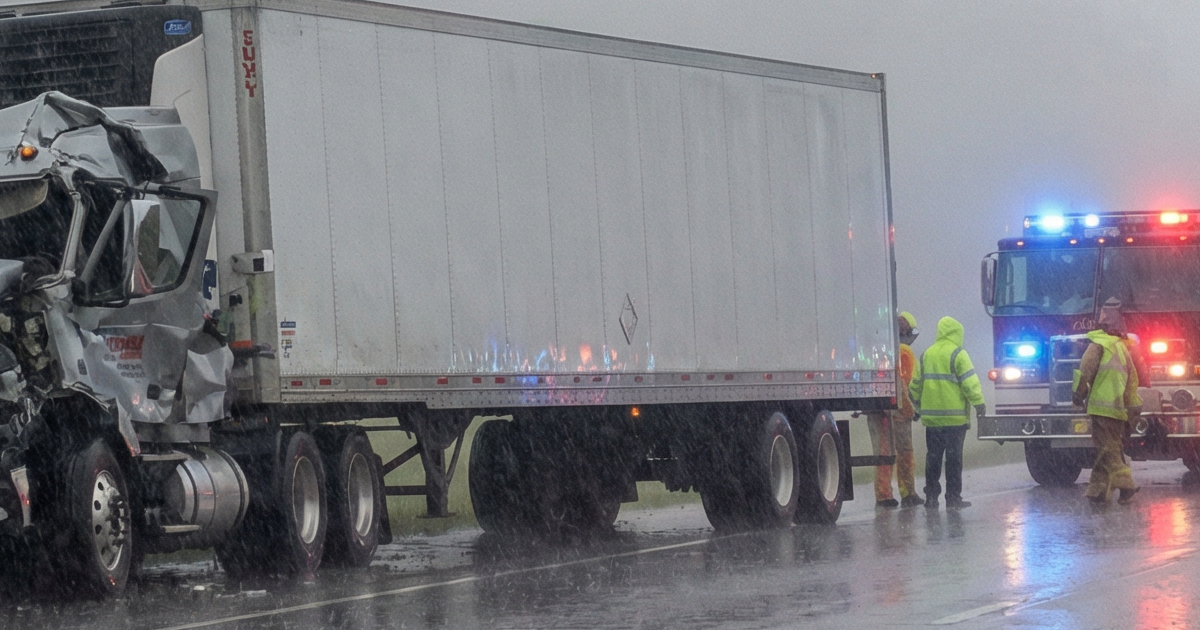
Commercial truck accidents are most often caused by driver error, mechanical failures, and adverse environmental conditions. Driver-related issues like fatigue, distracted driving, and speeding are frequent culprits. Vehicle component failures, such as brake problems or tire blowouts, also contribute significantly. Additionally, challenging weather and poor road conditions can exacerbate these risks, leading to severe collisions.
What Role Does Driver Error Play in Commercial Truck Accidents?
Driver error is a frequent and significant contributing factor in commercial truck accidents, accounting for a substantial percentage of collisions. This category includes actions such as distracted driving, speeding, aggressive maneuvers, and failing to maintain proper lookout. These errors can stem from various pressures, including tight delivery schedules or inadequate training, leading to critical mistakes on the road.
Supporting Explanation: The Federal Motor Carrier Safety Administration (FMCSA) and the National Highway Traffic Safety Administration (NHTSA) have identified driver-related factors as primary causes in many large truck crashes [1]. Distracted driving, such as cell phone use or eating, diverts a driver’s attention from the road. Speeding, especially in adverse conditions, reduces reaction time and increases stopping distances for heavy vehicles. Furthermore, aggressive driving, like improper lane changes or following too closely, can escalate dangerous situations quickly. These human factors underscore the importance of rigorous driver training and adherence to safety regulations to mitigate accident risks. For more information on driver responsibilities, visit Gagliano Law, PLLC’s page on truck accident claims.
How Do Mechanical Failures Contribute to Truck Collisions?
Mechanical failures in commercial trucks can significantly contribute to collisions, often due to neglected maintenance or manufacturing defects. Issues such as faulty brakes, tire blowouts, steering system malfunctions, and defective lighting can render a large truck uncontrollable. These failures can lead to sudden loss of control, making it impossible for drivers to react safely, especially at highway speeds.
Supporting Explanation: The sheer size and weight of commercial trucks mean that even minor mechanical issues can have catastrophic consequences. Brake problems are particularly common, with studies indicating they are a frequent factor in truck accidents [2]. Tire blowouts, often caused by improper inflation or worn treads, can lead to immediate loss of vehicle stability. Steering and suspension system failures, though less frequent, can also result in a driver’s inability to control the vehicle. Regular inspections and adherence to maintenance schedules are crucial for preventing these mechanical failures, but sometimes defects are inherent or overlooked, leading to unexpected and dangerous situations on the road.
Can Environmental Conditions Lead to Commercial Truck Accidents?
Yes, environmental conditions frequently play a role in commercial truck accidents, often exacerbating other contributing factors. Adverse weather, such as heavy rain, snow, ice, or dense fog, can severely reduce visibility and traction, making it difficult for truck drivers to maintain control. Poor road conditions, including potholes, uneven surfaces, or construction zones, also present significant hazards.
Supporting Explanation: Truck drivers are trained to adjust their driving to account for environmental challenges, but even experienced operators can be caught off guard by sudden changes in weather or unexpected road hazards. Wet or icy roads drastically increase stopping distances for heavy vehicles, and strong winds can make it challenging to keep a tall truck stable. Reduced visibility due to fog or heavy precipitation can obscure other vehicles, road signs, and potential obstacles. While drivers are expected to exercise caution, the inherent dangers of operating large vehicles in less-than-ideal conditions mean that environmental factors remain a significant cause of accidents. These conditions often demand a heightened level of awareness and reduced speeds to prevent collisions.
Why is Improper Cargo Loading a Risk Factor for Truck Accidents?
Improper cargo loading is a critical risk factor for commercial truck accidents because it can severely compromise a truck’s stability and handling. When cargo is unevenly distributed, overloaded, or inadequately secured, it can cause the truck to become unbalanced, increasing the likelihood of rollovers, jackknifing, or loss of control. This issue can shift the vehicle’s center of gravity, making it difficult for the driver to steer or brake effectively.
Supporting Explanation: The Federal Motor Carrier Safety Administration (FMCSA) has strict regulations regarding cargo securement to prevent such incidents. If cargo shifts during transit, especially during turns or sudden stops, it can create an imbalance that the driver cannot counteract. Overloaded trucks also place excessive strain on tires, brakes, and suspension systems, increasing the risk of mechanical failure. Furthermore, unsecured cargo can spill onto the roadway, creating hazards for other drivers. Ensuring that cargo is properly weighed, distributed, and secured according to federal guidelines is essential for maintaining vehicle stability and preventing dangerous accidents. Violations of these regulations can lead to severe penalties and significantly contribute to accident causation.
Navigating the Aftermath of a Truck Accident
If you or a loved one has been involved in a commercial truck accident, understanding the complexities of liability and legal recourse can be overwhelming. These incidents often involve multiple parties, including the truck driver, trucking company, cargo loaders, and even vehicle manufacturers. Seeking timely legal guidance can help ensure your rights are protected and that you receive fair compensation for injuries and damages. An experienced personal injury attorney can assist in investigating the cause of the accident, gathering evidence, and negotiating with insurance companies on your behalf. For more insights into personal injury claims, consider exploring resources on Gagliano Law, PLLC’s personal injury practice areas.
What are the Key Takeaways Regarding Commercial Truck Accident Causes?
- Driver Actions are Crucial: Driver fatigue, distraction, and speeding are frequent causes of truck accidents.
- Maintenance Prevents Failures: Regular inspection and maintenance can prevent mechanical issues like brake failures and tire blowouts.
- Environment Adds Risk: Adverse weather and poor road conditions significantly increase the danger of truck operations.
- Cargo Security is Paramount: Improperly loaded or secured cargo can destabilize a truck, leading to loss of control.
- Complex Interactions: Accidents often result from a combination of these factors, not just a single cause.
Frequently Asked Questions About Commercial Truck Accidents
What is the most common cause of commercial truck accidents?
The most common cause of commercial truck accidents often involves driver error, including factors like fatigue, distracted driving, speeding, and improper decision-making. While mechanical failures and environmental conditions also contribute, human factors are frequently identified as the primary catalyst for these collisions. These driver-related issues can lead to a range of dangerous situations on the road.
How does driver fatigue impact truck safety?
Driver fatigue significantly impairs a truck driver’s ability to operate their vehicle safely, leading to slower reaction times, reduced alertness, and poor judgment. Hours-of-service regulations are in place to prevent fatigue, but violations can occur, increasing the risk of accidents. A fatigued driver may struggle to perceive hazards or react appropriately to changing road conditions, making them a danger to themselves and others.
Are mechanical failures preventable in commercial trucks?
Many mechanical failures in commercial trucks are preventable through diligent maintenance, regular inspections, and adherence to safety standards. Issues like faulty brakes, worn tires, or steering problems can often be identified and addressed before they lead to an accident. However, some failures can arise unexpectedly due to manufacturing defects or unforeseen circumstances, despite best efforts in maintenance.
What role does weather play in truck accidents?
Adverse weather conditions, such as heavy rain, snow, ice, or dense fog, can severely compromise road safety for commercial trucks. These conditions reduce visibility, decrease tire traction, and increase stopping distances, making it challenging for drivers to maintain control. While drivers are expected to adjust their driving, severe weather can still contribute to accidents, even with careful operation.
How can improper cargo loading lead to accidents?
Improper cargo loading can lead to commercial truck accidents by destabilizing the vehicle, making it prone to rollovers, jackknifing, or loss of control. When cargo is unevenly distributed, overloaded, or inadequately secured, it shifts the truck’s center of gravity, affecting its handling and braking capabilities. This can create dangerous situations, especially during turns or sudden stops, compromising overall road safety.
Contact Gagliano Law, PLLC Today
If you or a loved one has been affected by a commercial truck accident, the experienced legal team at Gagliano Law, PLLC is here to help. We understand the devastating impact these accidents can have and are dedicated to fighting for your rights. Contact us today for a consultation to discuss your case and explore your legal options. Call us at 813-444-9724 or visit our contact page at https://lawgagliano.com/contact/ to schedule an appointment.
Disclaimer
This article is intended for informational purposes only and does not constitute legal advice. The information provided herein is not a substitute for professional legal counsel. For advice on specific legal issues, please consult with a qualified attorney.
References
[1] Federal Motor Carrier Safety Administration. (2014). The Large Truck Crash Causation Study – Analysis Brief. Retrieved from https://www.fmcsa.dot.gov/safety/research-and-analysis/large-truck-crash-causation-study-analysis-brief
[2] National Highway Traffic Safety Administration. (n.d.). Heavy Truck Crashworthiness. Retrieved from https://www.nhtsa.gov/crashworthiness/heavy-truck-crashworthiness
Related Posts